admin
adminIran’s Islamic Revolutionary Guard Corps has effectively set up a pay-to-play system in the Strait of Hormuz, turning a vital international waterway into Iran’s personal toll road and daring the free world to look away. Reports from major outlets indicate Tehran is demanding fees and demanding control over which ships can pass, a brazen bid to monetize chokepoint power and reward the very regime that wages chaos across the region.
The mechanics are ugly and unmistakable: shipping firms are being told to pay in Chinese yuan or stablecoins, with reported tolls ranging from roughly a dollar per barrel to as much as millions of dollars per vessel in some cases. This is not commerce, it is sanctions-busting and state-sponsored extortion designed to enrich the IRGC and undercut the dollar-driven global order that has underpinned American strength.
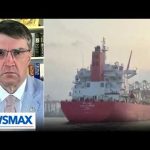
Operationally, the IRGC is vetting ships, demanding registration and issuing safe-passage codes while offering naval escorts only to those who comply with its terms; only a handful of vessels are being allowed through each day. Fox’s chief foreign correspondents on the scene and international maritime agencies have described this as a managed corridor controlled by Iran’s hardliners, not a neutral, open sea route.
The practical effect is predictable: oil and shipping markets tighten, prices spike, and hardworking Americans feel it at the pump and in household budgets. Markets already reacted when supply out of the Gulf was restricted, proving that when Iran pulls a stunt like this the global economy pays the price while Tehran grows stronger.
Conservatives should be clear-eyed: this is an act of economic warfare and must be treated as such. America and its partners should refuse to legitimize Iran’s toll booth, cripple the IRGC’s crypto and yuan escape routes, and use every legal, financial and military tool to reopen Hormuz on terms that guarantee free navigation — not ransom.