Staff Reports
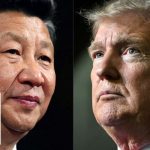
President Trump signaled something a lot of people on both sides of the aisle have been thinking: if Beijing has leverage over Tehran, why not put it to use? He floated the idea that China might have a role to play in calming tensions with Iran — a blunt, transactional thought from a president who likes to trade leverage for results. It’s a simple question with complicated consequences.
Practical, risky, and very 21st-century
On its face, asking China to steer Iran toward de‑escalation is pragmatic. Beijing buys Iranian oil, trades with the regime, and keeps lines open that Western governments don’t always have; that gives China real influence where Europe and the United States have limited purchase. If your goal is to stop a war or a wider flare-up, you work with whoever can actually move Tehran.
But don’t pretend it’s a neutral or purely humanitarian play. This is the same China that’s rewiring the global economy to its advantage and aggressively expanding its geopolitical reach. Handing Beijing a diplomatic role in the Middle East hands them prestige and bargaining chips — and once you invite them to the table, they’ll want something in return.
What ordinary Americans should be watching
This isn’t abstract. When foreign policy decisions get made, they show up at the pump, in the pockets of veterans waiting for equipment, and in the security of shipping lanes that keep goods moving. If China’s role reduces risk and keeps oil flowing, Americans feel it at the gas station; if Beijing extracts concessions that undercut U.S. industry or hands Iran breathing room to arm proxies, it’s taxpayers and sons and daughters in uniform who pay.
There’s also a trade-off to consider: using China’s hand to quiet Tehran may calm things now but embolden China’s global posture later. Do we want Beijing seen as the indispensable broker of regional calm while America’s influence recedes? That’s a strategic cost that won’t be visible overnight — but it compounds if other regional crises demand a mediator and Beijing is already sitting in the chair.
Trump’s instinct: leverage first, questions later
Make no mistake: this is classic Trump — dealmaking, leverage, and a willingness to shake up orthodoxies. He’s saying don’t ignore the tools you have. But a dealmaker’s instinct isn’t the same as a strategist’s caution. The right question to ask is not whether China can play a role, but what role we let them play and at what price.
We can use allies’ influence without ceding strategic advantage, but that requires a plan, not a PR line. If the administration’s idea of “using China” is a one-off ask without checks, it’s playing with a match near a cache of gasoline. If it’s a careful, reciprocal arrangement that preserves U.S. leverage, it might be smart politics. The difference matters.
So here we are: a president willing to try unusual partners to keep the peace, and a country that needs to decide how much influence it will allow a rival to gain in return. Who holds the pen on that trade — Washington or Beijing — will determine more than just the next headline. Are we prepared to barter away long-term advantage for short-term calm?