Staff Reports
The White House has invited more than a dozen of America’s top CEOs to join President Trump on his state visit to China. Names being reported include Elon Musk, Tim Cook, Larry Fink, Stephen Schwarzman, David Solomon, Jane Fraser, Dina Powell McCormick and Boeing’s Kelly Ortberg. This is not a ceremonial photo-op — it’s a business delegation with a clear mission: trade deals, supply‑chain fixes, and big-ticket purchases that help American jobs and industry.
Bringing CEOs to the Table
Putting industry leaders in the official delegation is smart politics and smart policy. These are people who know where factories sit, where chips are made, and what it costs to retool supply chains. President Trump is making American economic power part of his diplomacy. He’s asking companies to show up publicly, make their pitches, and push for tangible outcomes. That is a far cry from whisper campaigns and backroom favors.
What the Trip Is Really About
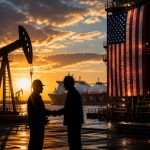
On the surface it’s a trade and investment trip. Behind the headlines are bigger geopolitical pieces: oil, sanctions, and regional stability. Treasury Secretary Scott Bessent has already said President Trump and President Xi Jinping will discuss the Iran war and energy security. Beijing buys a lot of Iran’s oil, so the Strait of Hormuz and sanctions enforcement will be on the table. Expect talk of deals, wider market access, and supply‑chain guarantees — plus, if the talks go well, some signed memoranda that journalists can actually read.
Contrast With the Biden Years
The optics here matter. The White House is putting CEOs in plain sight and naming a public, economic mission. That contrasts with the Biden-family era, when Hunter Biden’s business contacts during a 2013 China trip and other dealings raised questions about backdoor influence and private gain. One approach treats business as part of official strategy; the other looked too often like business hiding behind family ties. Voters can tell the difference between open dealmaking and transactions that smell like influence-peddling.
What to Watch Next
Keep an eye on who actually boards the plane, what deals are announced, and whether China agrees to the energy and sanctions language the U.S. will press. Watch Treasury Secretary Bessent’s moves in the lead-up and any joint statements from President Trump and President Xi Jinping. If the trip delivers concrete purchases, supply‑chain shifts, or cooperation on Iran-related shipping, that will be a win for an administration that says it puts American workers first. If it doesn’t, the spectacle will still have been instructive: transparent diplomacy beats the old private invitations and secret meetings every time.