admin
admin
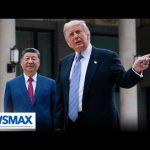
President Trump walked out of his Beijing summit with Xi Jinping and dropped a clean, unapologetic piece of diplomacy: China may begin buying more American oil, a development that could choke off Tehran’s financial lifeline and blunt the Iran-backed brinkmanship in the Strait of Hormuz. This is exactly the kind of hard-nosed, leverage-first foreign policy conservatives have been demanding — using American energy dominance as a tool, not a concession.
The strategic impact is simple and profound: if Beijing reduces its dependence on Middle Eastern, Hormuz-bound oil by purchasing more from the United States, Iran’s ability to weaponize the strait and bankroll proxies is immediately weakened. President Trump and his team made reopening navigation in the Gulf a central ask, and Xi’s expressed interest in keeping the Hormuz lanes open hints at real pressure being applied to Tehran.
Veterans of national security like Victoria Coates were right to sound a cautionary note even as the White House celebrates — China’s help is transactional, not sentimental, and Beijing will always prioritize its own economy over American interests. Fox News guests have repeatedly warned that Beijing’s moves in energy are driven by market calculations and diplomatic self-interest, not any newfound alignment with U.S. values. That’s why caution and tough follow-through matter even after a summit handshake.
This is where American energy policy under Trump becomes a weapon of peace: the U.S. can flood markets, offer reliable supply, and strengthen allies while starving Iran of revenue — all without sending more troops into the sand. Administration allies have pointed out that America’s energy leverage combined with strategic releases from reserves and diplomatic pressure gives the President the strongest hand in decades. Conservatives should applaud a foreign policy that uses American strength and prosperity to protect our security.
But make no mistake: Beijing’s interest in U.S. oil is pragmatic, not noble, and the president must turn that pragmatism into concrete concessions on technologies and sanctions evasion. Reporting has made clear the energy stakes at these talks — China is a massive market and every barrel it shifts away from Tehran tightens the screws on the regime that sponsors terror. The White House must now convert words into binding purchase deals and compliance mechanisms that cut off Iran’s cash flow.
At home and abroad, the stakes remain high: the Strait of Hormuz is a choke point that has rewarded weakness and emboldened malign actors in the past, so any diplomatic gains must be backed by robust deterrence and sanctions enforcement. The summit didn’t end all problems, but it opened a door for pressure that only a president unafraid to use America’s energy advantage could create. If the administration follows through — keeping escorts for commercial shipping ready and squeezing Iran’s illicit revenue streams — the talk of reopening Hormuz could become a strategic reality.
Hardworking Americans deserve a foreign policy that protects their jobs, keeps energy prices down, and confronts enemies with strength rather than appeasement. President Trump’s summit with Xi offered a rare alignment of American muscle and diplomatic opportunity; now it’s up to his team to make Beijing pay for any favors with real reductions in Iranian support and tangible market commitments. If conservatives stay loud and the administration stays relentless, America’s energy renaissance will be a shield for liberty, not a bargaining chip for the globalists.