Staff Reports
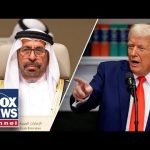
In just a few hours, the U.S. blockade on the Strait of Hormuz is set to kick in, marking a significant move in the nation’s foreign policy. The stakes are high as President Trump sends a clear message regarding Iran and its allies, particularly China. Recently, reports surfaced suggesting that China may be considering providing shoulder-fired missiles to Iran. However, President Trump has confidently expressed doubt about such actions, citing his relationship with Chinese leadership. He emphasized the consequences of China proceeding with any military support for Iran, hinting at hefty tariffs that could reach an extraordinary 50%.
Senator Tom Cotton, the Chairman of the Senate Intelligence Committee, echoed this sentiment in a recent discussion on the matter. Although specifics regarding China’s involvement are complex and murky, Cotton asserted that the U.S. would not tolerate any supportive behavior from China concerning Iran. The senator pointed out that China relies heavily on oil from the Middle East and that the blockade would primarily affect them. If China attempts to send ships into the strait, they would face a firm directive: turn back or wait indefinitely.
This blockade is not merely a military action; it’s also an economic strategy to tighten the screws on Iran. With this measure in place, the U.S. is signaling that if all ships don’t exit the strait, no ships will be allowed in. This ultimatum places Iran in a precarious position, as they depend on revenues from oil exportation, which are crucial for funding their military and other operations in the region.
On the topic of prior military ceasefires, Cotton expressed that the current administration does not harbor any regrets. The President has consistently advocated for Iran to make fundamental changes, such as disclosing its nuclear materials and ceasing its support for terrorism. These are reasonable demands that any responsible nation should heed. However, the pressure will remain until Iran demonstrates willingness to comply.
While discussing Iran’s military status, it became evident that the country is facing significant challenges. Reports indicate that the Iranian leadership is fragmented, with limited communication and awareness of the full extent of their positions. Iran’s military capabilities are diminished, with reports of dwindling missile supplies. Despite these challenges, there remains a need for vigilance and readiness within the U.S. military to counter any aggressive actions that might arise, particularly if Iran’s threats escalate into actual attacks on regional allies.
In conclusion, as the blockade on the Strait of Hormuz looms, the implications for both Iran and China are profound. The United States appears steadfast in its commitment to ensuring stability in the region, making it clear that it will not hesitate to act decisively if provoked. This matter remains a delicate balancing act, with economic and military pressures shaping the future of U.S.-Iran relations and broader geopolitical dynamics in the Middle East.