Staff Reports
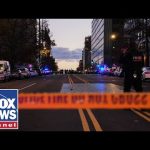
In a shocking turn of events, a D.C. National Guardsman was recently shot, and the details concerning the suspect have triggered a wave of concern among Americans. The suspect, a 29-year-old Afghan national, previously worked with the U.S. government as part of the CIA-backed Zero Unit in Afghanistan. This unit, often associated with counter-terrorism missions, specialized in targeting threats from the Taliban and ISIS-K, which raises some serious questions about vetting processes and national security.
The Zero Unit was established during the U.S. presence in Afghanistan, consisting of Afghan paramilitary groups trained and supported by the CIA. These groups were not just regular soldiers; they were specially trained to conduct raids and operations focused on eliminating terrorists. After the chaotic withdrawal of U.S. forces, many members of these units sought asylum or relocated, leading to an extensive vetting process designed to prevent any potential threats from entering the United States. This included thorough biometric checks, such as fingerprints and eye scans, along with personal interviews. However, concerns have been raised about the adequacy of these measures.
As one commentator pointed out, there was a prediction made four years ago about potential attacks on American soil by Afghan nationals. Some believe this scenario was made likely by the hasty evacuation that allowed individuals with questionable backgrounds to enter the country without sufficient vetting. The quick transition from Kabul to U.S. soil might have overlooked crucial safety protocols that are essential for maintaining national security. The fact that it took this long for an incident involving someone from that chaotic era raises a collective eyebrow among citizens.
Furthermore, the nature of radicalization among individuals who have been associated with U.S. military efforts cannot be underestimated. The conversations during the news segment highlighted a critical aspect of this situation: not everyone who worked alongside American forces shares the same values. Some individuals may have been coerced into affiliation with terrorist organizations like the Taliban or Al-Qaeda due to the lack of options once the U.S. withdrew. The implication is clear: just because someone was vetted to work with the CIA does not guarantee they can be trusted once they are in the U.S.
The implications of this event on future foreign policy and security measures cannot be ignored. The national discourse surrounding immigration and vetting processes for individuals from war-torn regions is pivotal. The public’s unwavering desire for safety clashes with the reality that not everyone who arrives on American soil brings goodwill. Additionally, the failure of prior administrations to create a coherent strategy for dealing with evacuees adds to the complexity of this ongoing issue.
In the end, the D.C. shooting serves as a somber reminder of the nuanced and often tangled relationships between the U.S. and its allies abroad. It prompts a national conversation about how the past continues to shape the present and the responsibilities of government when it comes to ensuring the safety and security of its citizens. In a world where threats can arise from the most unexpected places, vigilance, careful vetting, and a sound policy towards those who come to America will remain central to protecting the nation’s interests.