admin
admin
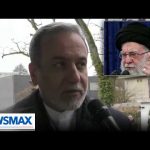
Iranian-American comedian Max Amini used a recent Fox News Digital interview to do what too many in the mainstream media refuse to do: name the regime in Tehran for what it is and call for bold action. Amini did not mince words, calling the clerical rulers a “terrorist group” and urging a “rescue mission” to free people the regime has effectively kidnapped.
The backdrop to Amini’s passionate plea is a country roiled by mass protests that erupted in late December 2025 and have been met with a brutal government response that left thousands dead and tens of thousands detained, according to international reporting. Eyewitness accounts and investigative outlets describe scenes of street massacres, hospitals overwhelmed with gunshot victims, and families silenced by force — facts that demand a moral reckoning, not platitudes.
Iran’s rulers answered rising dissent with a widespread communications blackout meant to hide the carnage and choke off the world’s view of their crimes, a tactic that has enabled some of the worst abuses. That blackout and the scale of reported casualties have convinced human-rights observers and journalists that this is not mere unrest but a deliberate campaign of state violence against civilians.
International institutions have begun to respond, with the United Nations Human Rights Council condemning the killing of thousands and calling for investigations, but condemnation alone is not a strategy for liberation. The Iranian people are asking for more than words; they are asking for leverage, sanctuary, and for governments willing to translate outrage into tangible support.
Amini’s call for a “rescue mission” will make intervention skeptics uncomfortable, but uncomfortable is not the same as wrong. Standing with Iranians who risk everything for freedom is a conservative principle as much as it is a humanitarian one — defending liberty abroad strengthens liberty at home and keeps tyrants on notice that mass murder will not be normalized or ignored.
Washington’s response so far has been hesitantly measured while millions of lives hang in the balance; that kind of timidity invites catastrophe and emboldens autocrats. If leaders claim to value human rights and global stability, then they must match words with a clear policy: increased sanctions targeted at regime enablers, secure channels for refugees and dissidents, covert intelligence support to resistance efforts, and contingency plans that prioritize saving civilians. The moral and strategic case for decisive action is clearer now than it has been in years.
It is time for principled resolve rather than moral shrugging; the world does not admire silence when atrocities unfold, and history remembers who acted and who turned away. Comedians like Max Amini are doing more than telling jokes — they are sounding an alarm that should awaken policymakers and citizens alike to the necessity of standing with those who cannot speak freely and of using every tool to bring tyrants to account.