admin
admin
House Oversight Committee Chairman James Comer laid down hard truths in public about Minnesota’s alleged fraud schemes, and his appearance on Finnerty made clear this is not a minor bookkeeping problem — it’s a political and moral failure at the highest levels of state government. Comer told Newsmax that prosecutors, whistleblowers, and committee investigators have uncovered a pattern of officials looking the other way while federal funds vanished, and he’s demanding answers.
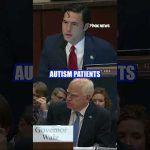
The Committee’s hearing opened with blistering remarks and an interim staff report that accuses Governor Tim Walz and Attorney General Keith Ellison of presiding over “one of the most extensive breakdowns of oversight” the panel has seen. Investigators say whistleblowers were ignored or retaliated against and that state systems were allowed to funnel billions out the door while leadership hesitated.
The scale of the schemes alleged in the Committee’s materials should stagger anyone who pays taxes: federal prosecutors tied Feeding Our Future to more than $240 million in stolen child nutrition funds, other schemes allegedly bilked housing stabilization programs of roughly $104 million and another $14 million was tied to fraudulent autism therapy billing. Those are not rounding errors; they are the kind of corruption that ruins trust in government programs and steals from the vulnerable.
Testimony and reporting suggest whistleblowers were not only ignored but actively silenced, with allegations that evidence was deleted and employees were surveilled for speaking out. When oversight systems are weaponized against honest employees instead of protecting taxpayers, it’s proof that the problem is cultural and political, not merely administrative.
Conservatives should be blunt: political leaders who preside over this level of waste and possible malfeasance must face full accountability, whether that means subpoenas, criminal referrals, or prosecution. Chairman Comer has already pursued records, interviews, and hearings, and Democrats can’t hide behind rhetoric while federal agents and auditors pick up the pieces of what appears to be a catastrophic failure of governance.
This moment demands more than outrage — it demands reforms that make programs transparent, audits routine, and penalties swift for fraud. The public deserves officials who defend taxpayers, not protect political cliques, and any politician who prioritized cover-ups or donor relationships over stewardship of funds must answer for it. The pressure from Congress should not be dismissed; it’s a necessary corrective when state leaders fail.