admin
admin
The brutal attack near the White House that left a young National Guard specialist dead and another soldier fighting for his life is the latest reminder that Washington’s failed policies have real, blood-soaked consequences. Authorities say the ambush happened on November 26, 2025, and prosecutors have moved to upgrade charges against the suspect to first-degree murder as investigators dig into motive and method.
The accused, identified as 29-year-old Rahmanullah Lakanwal, was not some anonymous trespasser — he arrived here in 2021 under Operation Allies Welcome after serving in Afghanistan, and U.S. intelligence now says he had ties to CIA-backed partner forces in Kandahar. That background only deepens the outrage: a man who once worked alongside Americans in the field ended up allegedly turning his weapon on American soldiers on American soil.
Local advocates and refugee workers had been sounding alarms long before the attack, sharing emails that described a man slipping into “dark isolation,” quitting jobs, abandoning English classes and spiraling into erratic behavior. Those community warnings — which reportedly described weeks spent in a darkened room and behavior so alarming helpers feared for his life — were apparently not treated as a national-security red flag.
Homeland Security leaders and conservative voices are right to ask whether this man was properly vetted and whether he was radicalized after entry; officials have said they believe radicalization occurred here in the U.S. while other officials insist he “came up clean” on checks. That contradiction highlights the gaping holes in the post-withdrawal resettlement process — a process rushed and mismanaged in 2021 that too often prioritized speed over national security.
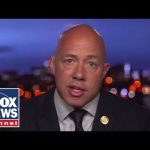
Retired Lt. Col. Alex Pelbath, appearing on Fox & Friends First, bluntly tied the tragedy back to the chaotic withdrawal and the Biden-era approach to vetting evacuees, arguing that we paid for the administration’s haste with the safety of American troops. Pelbath, who commanded the final evacuation flights out of Kabul and has repeatedly warned about the human and national-security costs of that pullout, is right to demand accountability and a hard look at how those resettlement decisions were made.
This is not abstract policy debate — it is a matter of life and death for the brave men and women sent to protect our capital and our citizens. The proper response is not platitudes from career bureaucrats but immediate reforms: a stop to reckless parole programs, a ruthless reassessment of vetting protocols used during the evacuation, and a full accounting from those who green-lit the chaotic resettlements.
As the family of Specialist Sarah Beckstrom mourns and the nation demands answers, elected leaders must choose between defending borderless ideology and protecting Americans. Conservatives will keep pressing for the changes this tragedy demands — tougher vetting, secure borders, and justice for the fallen — because protecting our communities and our troops is not a partisan slogan, it is a sacred duty.