admin
admin
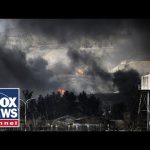
When the United States and Israel struck hard at Iran on February 28, 2026, they did what too many in Washington had been unwilling to do for years: they hit the regime where it mattered and showed resolve. The coordinated campaign, which American commanders call Operation Epic Fury, targeted leadership nodes, missile infrastructure, and nuclear-related facilities — a clear message that decades of appeasement are over. The strikes have already reshaped the battlefield and forced Tehran’s networks onto the defensive.
Veteran intelligence analyst Brett Velicovich told viewers that Iran’s long-standing tactic of bleeding opponents with proxies is collapsing under the weight of decisive American and Israeli action. He argued that the so-called “death by a thousand cuts” only works if the West hesitates, and now Tehran’s proxy web is being exposed and disrupted across the region. That assessment is not comforting for those who cheered restraint; it validates a return to clear red lines and firm consequences.
This campaign is not symbolic theater — it is kinetic, methodical, and backed by real firepower. U.S. forces have employed everything from Tomahawk cruise missiles to advanced precision strike systems and long-range bombers alongside Israeli airpower in coordinated waves designed to crush Iran’s strike capabilities and command nodes. The aim is simple: degrade the regime’s ability to project violence and deny its proxies safe havens from which to menace American allies and assets.
Predictably, the regime lashed out in a chaotic, region-wide retaliation that only proves Velicovich’s point: Iran exports chaos because it can, until it cannot. Missiles and drones have been launched into airspaces spanning the Gulf and Levant, striking near civilian infrastructure and raising the stakes for neighbors and partners. The result has been disruption to commercial flight corridors and an urgent call among regional allies for the United States to lead and finish the job.
Yes, war carries costs, and we mourn any American life lost; yet standing down would have guaranteed more death and emboldened Tehran’s terror machine. Reports of casualties on all sides and the first American fatalities underscore why a strong, sustained campaign was necessary to protect U.S. interests and the lives of our partners. This is the grim calculus of self-defense — painful, but far preferable to the slow-motion surrender of influence.
Americans should demand that our leaders give the troops the tools they need to win: munitions, logistics, and unambiguous political backing. President Trump’s meetings with defense firms and senior commanders reflect the seriousness of the mission and the urgency of replenishing stockpiles for a campaign that may not be measured in days. Patriotic citizens must back our service members and insist that Congress fund victory, not hedge it.
Let there be no mistake: when you confront tyranny with strength, its henchmen scatter and its networks fray. Velicovich’s field-smarts tell a simple truth — the proxies that once prowled with impunity are now on the run, and the best path forward is to press the advantage until Iran’s ability to threaten the West is irreversibly broken. Hard decisions were needed; because of them, the world now sees that America and Israel will not tolerate a regime built on terror.