Staff Reports
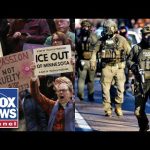
In recent discussions surrounding immigration enforcement in Minneapolis, tensions are running high as local and federal authorities grapple with the challenges of maintaining law and order. With accusations flying and emotions boiling over, the landscape is fraught with competing narratives about safety, sovereignty, and leadership. Recent incidents involving Immigration and Customs Enforcement (ICE) officers highlight the complexities of the situation, stirring up controversy and fervent debate among political figures and citizens alike.
At the heart of this uproar is the clash between local officials and federal agents. The mayor of Minneapolis, Jacob Frey, has publicly criticized ICE following an incident where an officer was involved in a confrontation that left him defending himself against an armed suspect. The mayor’s choice of words, referring to the situation in stark terms, raised eyebrows. It was seen by many as serving to inflame tensions rather than foster a productive dialogue. Meanwhile, Governor Tim Walz’s silence on the mayor’s comments did little to quell the unrest. Observers have noted that such reactions can lead to a lack of respect for the rule of law and undermine the efforts of federal officers tasked with upholding immigration enforcement.
Supporters of increased immigration enforcement argue that the events in Minneapolis are emblematic of a larger issue facing many American cities: the need to secure borders and ensure public safety. They contend that when local leaders publicly stand against federal law enforcement, it emboldens individuals to resist and can lead to violent confrontations, as seen in recent encounters where ICE officers were attacked. Notably, there have been multiple incidents where ICE officers have faced hostility, sometimes resulting in serious injuries. Advocates for tougher immigration policies suggest that cooperation between local law enforcement and ICE is crucial for maintaining order and protecting communities.
Critics of the current administration’s handling of immigration issues argue that there is a perception of lawlessness perpetuated by vocal opposition to ICE’s activities. This pushback, they claim, can backfire, leading to more dangerous situations for both officers and the public. Instead of fostering a cooperative environment, some local leaders have been accused of creating a more chaotic atmosphere where violent protests can erupt, leaving law enforcement with limited options. The clash between federal and local interests raises significant questions about how to balance immigration enforcement with community safety.
As the debate rages on, Republicans across the nation continue to call for stronger action to restore order and enforce existing immigration laws. Some have even suggested that President Trump should consider invoking the Insurrection Act if cities become unmanageable, further highlighting the stakes involved. There is a growing sense that if local officials don’t cooperate with federal regulations, the very essence of law and order in the Country might be jeopardized.
In this ever-evolving narrative, the need for effective leadership is paramount. Leaders on both sides of the aisle must find a way to navigate the contentious waters of immigration policy while ensuring the safety and security of their constituents. Whether through cooperation or confrontation, it is clear that the tensions in Minneapolis can serve as a microcosm for broader national issues regarding immigration and law enforcement. As this story develops, one thing is certain: the battle over America’s borders and justice system is far from over.