Staff Reports
In a recent turn of events, Iran’s Supreme Leader has publicly recognized the alarming death toll amid the ongoing protests that have seized the nation. With the number of casualties since the demonstrations began in late December surpassing 5,000, officials now fear this figure could continue to climb. Instead of addressing the concerns of the people, the Supreme Leader has decided to point fingers, blaming the United States for the unrest—a classic maneuver in the world of politics.
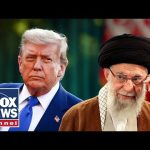
Amid this turmoil, Iranian authorities have taken to state television to air accusations against America, with the Supreme Leader labeling President Trump a criminal. This act of deflection seems more about keeping power than acknowledging the civil uproar that threatens to topple the regime. Rather than engaging in meaningful dialogue, the regime has doubled down, suggesting that U.S. interference is behind the protests, which they claim aims to “swallow Iran.” This narrative is likely an attempt to rally support by stoking anti-American sentiment among the populace.
Trump has responded to these allegations with his characteristic directness, suggesting it’s high time Iran looked for new leadership. Many within the Iranian diaspora have echoed this sentiment, advocating for a change that would ideally lead to a more democratic and humane governance structure. The reality, however, is that the Islamic Republic’s grip on power appears increasingly fragile, leading the leadership to retaliate vigorously against those who dare to oppose them.
As the situation develops, military readiness along the Iranian borders has intensified, particularly in Israel. Regional allies, including Israel, remain on high alert for any potential escalation. While the U.S. has been involved previously in countering Iranian military actions, officials have indicated that any further conflict must be approached with caution. A recent decision by Trump to hold off on a retaliatory strike against Iran highlights the delicate balancing act that the administration faces in navigating foreign policy while supporting the people’s struggle at home.
In the U.S. Senate, discussions about potential responses to Iran’s provocations and internal challenges are ongoing. Senators like John Cornyn have emphasized the importance of being prepared without overstepping boundaries or ignoring diplomatic avenues. There is a palpable sense of urgency surrounding the Iranian situation, as many believe that the current regime may be close to collapse. It’s a waiting game, and the world is watching closely as the Iranian people bravely stand up for their rights amidst severe repression.
As the flames of conflict flicker in the Middle East, one thing is clear: the stakes are high, and the outcomes will resonate far beyond Iran’s borders. The unfolding narrative encapsulates the struggle between tyrannical regimes and the insatiable human desire for freedom—one that the world cannot afford to ignore.