Staff Reports
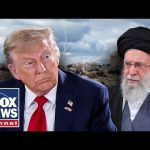
In recent discussions surrounding the geopolitical tensions involving Iran, viewers have witnessed a passionate exchange highlighting the complexities of international relations and the consequences of aggressive regimes. The focus has shifted back to America’s approach to Iran as the country has once again spurned opportunities for peace, raising concerns about the safety of both American troops and global stability. The commentary specifically recognizes the powerful military presence of the U.S. and the decisions that lie ahead if diplomatic efforts continue to falter.
It has been noted repeatedly that despite the olive branch extended by the United States, Iran opted for hostility rather than cooperation. Analysts have pointed out that America’s military is unmatched, and with every military decision comes risk. Historical precedents suggest that neglecting the malevolence exhibited by regimes like Iran can lead to dire consequences. This is where some believe the tenets of the Trump doctrine come into play, which emphasizes negotiating for peace first but does not shy away from decisive action when necessary.
The conversation has underscored the deep-rooted challenges that come with negotiating with Iran. It is characterized as a regime that has cultivated a dangerous ideology, one that encourages animosity towards both America and its ally, Israel. The brutal history of Iran, which includes promoting terror since the late 1970s, casts doubt on the possibility of any meaningful dialogue. As the countdown to potential military action looms, the distinction between the calls for isolationism from certain factions and the urgent need for national defense becomes ever clearer.
In these discussions, the military actions of the past, including operations led by the Trump administration, serve as a touchstone for understanding Iran’s present capabilities and ambitions. With reports of Iran working vigorously on its nuclear program and ballistic missile technology, the urgency for decisive American involvement is palpable. If negotiations fail, the actions taken now could significantly influence the safety and security landscape of future generations, bringing about a pivotal moment for U.S. foreign policy.
The unfolding drama also showcases the moral imperative felt by many, emphasizing the need to support those within Iran who are striving for freedom from tyranny. The hope is that amidst the chaos, the voices of ordinary Iranians calling for change may be heard, potentially paving the way for a future where tyranny does not reign. Yet, as discussions unfold, the reality remains that the clock is ticking, and the decisions made today will shape the world of tomorrow. The intersection of humanitarianism and hard-nosed political strategy lies at the forefront of this intense global conversation, illustrating just how intricate diplomacy can be in the face of oppression.
With tensions running high and the stakes even higher, Americans watch with bated breath, reminded of the intricacies of international relations and the responsibilities that come with being a world power. The path forward remains complex, but as history has shown, failure to act decisively against those who threaten peace can lead to catastrophic outcomes. For the sake of national security and global stability, it may very well be time for action – a notion embraced by many in light of the ever-looming threats posed by regimes like Iran.