Staff Reports
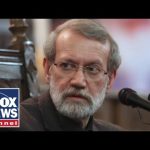
In a major geopolitical development, the world has witnessed a significant shift in the Iranian leadership landscape as Ali Rajani, a key Iranian official, was killed in targeted strikes overnight. This operation, reportedly a collaborative effort between U.S. and Israeli intelligence, has left many analysts questioning the potential ramifications for Iran’s government and its future decisions.
Rajani was considered one of the last major hardliners left in the Iranian political structure. In a country often dominated by radical viewpoints, his influence was substantial, arguably surpassing even that of the 86-year-old Ayatollah. With the Iranian regime often viewed as a tapestry of varied beliefs and factions, Rajani’s removal signifies a potential turning point. Some experts believe this could usher in a new era of leadership that might be less aggressive and more moderate, particularly with President Masud Pzeskian, who is viewed as more centrist, potentially stepping further into the spotlight.
Interestingly, just days before his demise, Rajani seemed to bask in public confidence. He was seen walking through the streets of Tehran with an air of bravado, participating in live television interviews that almost seemed to challenge U.S. and Israeli authorities. His striking presence in the capital now adds a layer of irony to his sudden and dramatic fall from grace.
The question now arises: Who exactly remains in charge of Iran? The leadership structure appears fragmented, as various Shia clerics and officials have positioned themselves in a power vacuum that may have opened up with Rajani’s exit. While Pzeskian holds a more political role, his lack of close ties with the Islamic Revolutionary Guard Corps (IRGC) raises concerns about who will fill the shoes of those removed from power and how their decisions will affect Iran’s continued military targets. After all, the IRGC has been linked to ongoing assaults on Gulf nations and Israel, and their operational capacity does not seem to have diminished in the wake of this high-profile assassination.
As Iran adjusts to this new landscape, observers will undoubtedly be watching closely to see if anything changes. Will the new leadership bring a softer approach to diplomacy, or will it stick to the hardline tactics that defined Rajani’s tenure? The answer to that question could have profound implications, not just for Iran’s future politics but also for its position on the world stage as a nuclear power and regional influencer.