Staff Reports
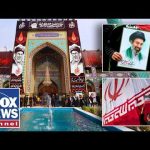
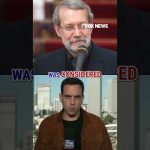
In recent developments that have caught the world’s attention, Israeli forces have launched a series of airstrikes against Iranian targets, marking a significant escalation in the ongoing tensions between the two nations. The headline news revolves around the death of Ali Larijani, a high-ranking Iranian official, who was reportedly killed in one of these overnight strikes. This assassination has been termed by Israeli officials as a pivotal moment in their military operations against what they see as a threatening Iranian regime.
Larijani, who had risen to a position of considerable influence following the demise of Iran’s supreme leader, was the Secretary of Iran’s Supreme National Security Council. His sudden removal from the political scene raises questions about the stability of Iran’s leadership. Following his assassination, Israeli forces continued their offensives, targeting related Iranian military structures and personnel, which included a top commander of the Islamic Revolutionary Guard Corps (IRGC), responsible for quelling protests within Iran. The strikes are viewed as a part of a joint U.S.-Israeli operation aimed at crippling Iran’s military capabilities and diminishing its influence in the region.
As the conflict intensifies, retaliatory actions from Iranian forces are visible. For example, the U.S. Embassy in Baghdad was the target of drone and rocket attacks, with one drone crashing just outside the embassy compound. In northern Israel, rockets were launched by Hezbollah, a group supported by Iran. This escalating conflict showcases a precarious situation along the borders, igniting fears of a larger regional war, no doubt on the minds of many Western powers observing the situation unfold.
On the diplomatic front, President Trump weighed in, suggesting that the U.S. could swiftly bring an end to the conflict, hinting at possible strategies to secure a safer world. The dynamics in Iran appear fragmented, with varying factions vying for control in the aftermath of Larijani’s death. There’s uncertainty about who holds the reins of power, especially in the context of the regime’s response to continued airstrikes and the potential for internal unrest.
The Iranian government’s strategy seems to involve a firm grip on communication and public expression, which explains the crackdown on any potential protests. Many citizens, fearful of reprisals from state security, are hesitant to speak out against the regime. Amidst this backdrop, the international community remains cautious, weighing the implications of the ongoing hostilities and watching closely for any signs of change within Iran’s complex political landscape.
In conclusion, the removal of a key figure from the Iranian political scene has sent shockwaves throughout the region, prompting increased military actions and heightening existing tensions. As Israeli and U.S. forces target the Iranian leadership, questions linger about the future leadership of Iran and the potential for increased civil unrest within its borders. It is a tumultuous time, filled with uncertainty and challenges that leaders must navigate carefully to ensure both national security and regional stability.