Staff Reports
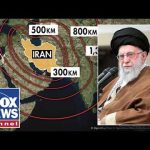
In a surprising turn of events, US and Israeli forces launched a major daytime strike against Iran, marking a significant escalation in tensions in the Middle East. This early morning operation, which took place at approximately 10:00 a.m. local time in Iran, diverged from the typical nighttime attacks often seen in previous military operations. With the sun shining brightly, these forces aimed to catch the Iranian military off guard, taking advantage of a moment when their defenses might have been less vigilant.
What makes this strike even more intriguing is the recent arrival of US Air Force F-22 Raptors in Israel. These advanced stealth fighter jets were deployed just a day before the attack, raising eyebrows and prompting speculation about their potential role. While it hasn’t been confirmed that the F-22s participated in this specific strike, their presence signals a heightened level of readiness and capability. Such military maneuvers highlight the seriousness of the situation and the collaboration between the two allies.
Interestingly, this strike came during the holy month of Ramadan, a time of fasting and prayer for many Muslims. This timing is likely to add another layer of complexity to the response from Iran and the broader Muslim world. The decision to strike during the day, breaking from the traditional pattern of nighttime operations, is a tactical choice that may have been informed by recent diplomatic failures. The breakdown of negotiations in Geneva just days prior likely provided the final push for this military action, suggesting that all other options had been exhausted.
As smoke rose over Tehran, signaling the commencement of the attack, uncertainty loomed regarding the extent of the damage. The targets of the strike were primarily believed to be command and control centers and radar installations, vital components of Iran’s military infrastructure. Speculation arose about the presence of nuclear facilities in the vicinity, further complicating the already fraught situation. With such sensitive targets, the potential for retaliation from Iran cannot be understated, as military officials brace for possible counterattacks in the wake of these strikes.
The collaboration between US and Israeli forces underscores a shared commitment to counteract perceived threats from Iran. This joint military operation demonstrates both nations’ readiness to act decisively in pursuit of their strategic interests. With the presence of substantial aerial refueling capabilities in the region, the operational range of fighter jets has now been significantly enhanced. This newfound capability might pave the way for more extensive military operations in the future.
As the spotlight remains on the Middle East, the world watches closely to see how Iran will respond to this unprecedented daytime assault. Will retaliation follow, or will diplomatic channels be revisited in the aftermath? One thing is certain: tensions are running high, and the landscape of international relations could shift dramatically in the coming days. Buckle up, folks; it seems we’ve entered a new chapter in this complex saga.