admin
admin
Providence and the nation breathed a mix of relief and anger this week when authorities confirmed the man suspected of the heinous Brown University campus shooting and the killing of an MIT professor was found dead in New Hampshire and identified as Claudio Manuel Neves‑Valente. Officials say the suspect apparently took his own life after a days‑long manhunt that left a campus and community shattered — two students dead, nine wounded, and countless lives forever changed. The hard truth is that innocent students were targeted on an Ivy League campus, and Americans deserve straight answers about how this man slipped through the cracks.
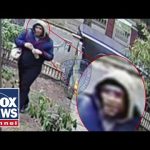
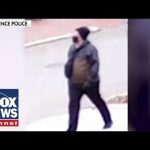
Investigators say the break in the case came only after citizens and technology filled gaps left by institutional blind spots: license‑plate readers, rental‑car footage and neighborhood cameras tracked the suspect’s Nissan Sentra and showed he’d been in the vicinity of Brown from Dec. 1 until nearly two weeks later. That timeline should anger every parent and taxpayer — it means a potential danger was moving near students for days while our systems failed to stop it. If universities and cities won’t harden their campuses and upgrade surveillance where it matters, ordinary Americans on the ground will end up doing the heavy lifting for public safety.
A courageous witness who spotted the suspect inside a campus bathroom and followed him reportedly gave police the crucial description that led them to the rental car and ultimately to his identity; ordinary people stepped up when institutions lagged. That witness’s instincts — paying attention, refusing to look away — deserve praise, not the politicized second‑guessing we see so often after tragedies. Law enforcement deserves credit for piecing together disparate video and tips, but it’s painfully obvious that prevention failed long before the bullets flew.
Still, questions and justified criticism have been aimed at authorities over leaks, the release of a person of interest, and the patchwork nature of camera coverage around campus that forced officers to canvas doorbell footage and neighborhood cameras. Officials themselves admitted they “headed in one direction and then had to regroup,” leaving the public to wonder why a suspect could be detained and then released in such a high‑stakes case. We can support our police while demanding clearer procedures and less sloppy coordination that risk both innocent reputations and public safety.
This tragedy also reopened the debate about admitting potential threats in the name of open borders and feel‑good policy. Authorities report the suspect entered the U.S. years ago through the Diversity Visa lottery program, and the administration has moved to pause that program pending review. Conservatives have warned for years that random‑chance admissions without tighter vetting are a national security risk, and this heartbreaking episode underlines the necessity of putting Americans first when it comes to immigration policy and public safety.
Let this be a moment of tough competence, not partisan reflex. Strengthen campus security, mandate sensible surveillance where it will actually stop killers, hold agencies accountable for their leaks and missteps, and finish the work of securing our borders and vetting who gets in. We owe it to the victims and to every hardworking family in this country to turn grief into real reform — to protect our children on campus, to back the brave witnesses who help solve crimes, and to make sure Washington stops treating safety as a secondary concern.