Staff Reports
As the world turns its attention to the White House, President Trump prepares to deliver a significant address to the nation. This moment comes more than a month into the United States’ military operation in Iran, aptly named Operation Epic Fury. With hefty claims about military successes and a clear intent to spell out future plans, the President’s address is anticipated to be nothing short of impactful.
Recent reports from the Pentagon boast impressive numbers regarding U.S. military engagement. Over 12,300 Iranian targets have been struck, and 155 Iranian vessels have met their watery demise. It seems that the military’s efforts are nearing the end of their meticulously crafted target list. The President is set to outline the success of these operations, detailing the goals of crippling Iran’s ballistic missile capabilities, dismantling their navy, and preventing them from ever obtaining a nuclear weapon. With all this said, the nation waits to hear what’s next and how long this operation will last, as the timeline for conclusion hovers around two to three weeks.
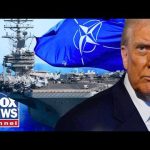
In a backdrop of military might and strategic triumphs, there appear to be mounting political ripples as well. President Trump has been teasing thoughts about a potential withdrawal from NATO, which further fuels the conversation. While this could manifest into legislative action, it’s clear that Trump is contemplating the efficacy of U.S. commitments abroad. On one hand, U.S. allies seem uninterested in joining the fray but stressed the need for stability in the region, particularly concerning the economically significant Strait of Hormuz. Meanwhile, discussions around NATO’s relevance arise, questioning the alliance’s value when other countries appear hesitant to support U.S. military efforts.
The landscape of public opinion surrounding military actions raises another layer of complexity. On one side, staunch supporters of the operation are applauding the military’s performance, heralding it as one of the most successful campaigns in U.S. history. Yet, there’s a growing voice that suggests the economic consequences of extended military action—like rising gas prices—are putting an enormous strain on American citizens. Some argue that while the military success is commendable, families are struggling to keep food on the table amidst soaring costs at the pump.
As Trump prepares to make his case, the political fallout from these military operations looms large. Many Americans are eager to hear how the White House plans to address the effects of these foreign engagements on domestic life. The balancing act between national security and the everyday lives of citizens is delicate, and the President will have to navigate this intricately in his upcoming address.
In sum, President Trump’s talk tonight holds the promise of clarifying a critical phase in U.S. military history. With the stakes high both internationally and domestically, everyone’s ears will be glued to the screen, both for updates on the military front and a glimpse into the administration’s foreign policy strategy. Whether the address will alleviate concerns over high gas prices or reinforce support for military strategies remains to be seen. One thing is for sure: the American people will be watching closely as the President describes the purpose of this military operation and the path forward.