Staff Reports
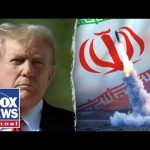
The growing tension surrounding Iran’s nuclear ambitions should rightfully alarm anyone concerned about global security. Reports indicate that Iran could soon have enough enriched uranium for a nuclear weapon, which only exacerbates the precariousness of the situation. While some dismiss these claims as exaggerations to incite fear or provoke a reaction, the reality is that the potential for Iran to become a fully nuclear-armed state is a serious possibility that could destabilize the entire region.
However, one must ask if this is solely an Iranian issue, or if there are broader geopolitical maneuvers at play. Some argue that Israel’s vocal stance against Iran’s nuclear program is motivated by its own strategic interests, suggesting that Israel is more concerned with asserting regional dominance than preventing nuclear proliferation. Critics point to the Israeli government’s long-standing calls for U.S. intervention, noting how these appeals often correlate with heightened tensions. It becomes crucial to question if these calls are indeed about preventing nuclear escalation, or if there’s another layer of geopolitical chess at work.
From a conservative angle, the United States must contemplate its role on the world stage. The gravitas of being the global leader in stopping the nuclearization of states linked with terrorism cannot be underestimated. But this leadership should not come at the cost of being coerced into conflicts. The U.S. must carefully weigh how its involvement aligns with its national interests. Taking rational steps, rather than acting impulsively on Israel’s urgings, would demonstrate prudence. A strong and thoughtful leader acknowledges allyships, yet remains focused on its own strategic interests and the broader implications of military intervention.
Furthermore, the conversation should extend to how these international dynamics impact domestic policy. The possibility of a third world war, instigated by unilateral actions from any nation, could prompt significant repercussions back home, including economic ramifications and national security concerns. If America were to engage in military actions without thorough consideration, it might reap consequences that affect everyday citizens more than initially anticipated. Therefore, fostering open dialogue about alternatives is essential, something that often seems overlooked in Washington’s haste to appease certain allies.
The United States must also reflect on its relationships and responsibilities with its allies. Allowing reliance on its power to push for potentially reckless actions could serve neither party’s long-term interests. Just as a parent enforces boundaries with children for their development, maintaining diplomatic boundaries could guide alliances to remain mutually beneficial. It’s about offering support, not carte blanche. Restraint and strategic thinking in foreign policy, especially in an era of nuclear capabilities, might just be the most powerful tools America has.