Staff Reports
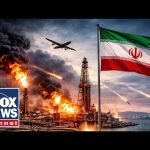
In a bold maneuver, the USS Tripoli, carrying around 3,500 sailors and Marines, has arrived in the US Central Command area in the Middle East. This deployment comes at a critical time as US forces are reporting significant progress against Iranian naval vessels amid ongoing conflicts in the region. The situation has escalated beyond what many originally anticipated, with the conflict now extending over a month.
Senator Tom Cotton has been vocal about the direction of the military efforts against Iran, asserting that the operations will continue until the Iranian regime is fully dismantled. He stated that the present goal is to ensure that the Iranian government can no longer pose a threat to America or its allies, which includes Israel and the Arab nations nearby. Despite these claims of progress, some lawmakers on Capitol Hill have raised eyebrows. They are questioning why Iran is still able to launch a plethora of drones and ballistic missiles daily, despite previous Pentagon reports claiming that 90% of such attack capacities had been eliminated.
As the conflict rages on, skeptics have noted that while there may be reports of aerial strikes and operational success, the fundamental concerns around Iran’s nuclear capabilities and military might remain. Questions swirl around the effectiveness of the military campaign — why have Iran’s missile and drone capabilities not diminished further? As President Trump weighs his options for a ground response, the arrival of Marines aboard the USS Tripoli adds a new element to the ongoing offensive, with the potential for ground operations looming on the horizon.
The USS Abraham Lincoln has also been actively involved as it continues flight operations in the Arabian Sea, demonstrating the US commitment to maintaining a strong military presence in the region. Meanwhile, the USS George HW Bush is preparing to set sail from Norfolk, ready to bolster the fleet and continue operations against ISIS. This carrier has a storied history in military engagements, having played crucial roles in previous conflicts.
Additionally, recent conflicts have seen the Israeli Defense Forces targeting Hezbollah activists attempting to plant explosives and neutralizing various threats in Lebanon. The situation remains tense, with Iran’s military vowing readiness against any US moves, issuing stark warnings that US forces will face severe consequences should they escalate further.
As the weeks roll on, the debate in Washington continues to revolve around the effectiveness of the military operations. Some voices argue for a decisive conclusion to the conflict, suggesting that merely disrupting Iranian power is not enough. Instead, advisors propose that a complete overthrow of current regimes is essential to ensure long-lasting peace and stability in the region. Whether the United States will continue down this path of confrontation or shift toward a path of negotiation remains an open question, but the stakes are undeniably high. The coming days will likely be decisive in determining the future course of action, both for the US and its allies.