Staff Reports
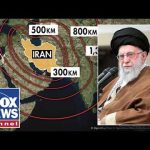
Tensions in the Middle East have escalated dramatically, with recent developments making headlines around the world. In a bold move, Israeli forces conducted targeted strikes on key figures within the Iranian leadership, specifically aiming at Supreme Leader Ayatollah Ali Khamenei and President Masoud Peskian. This operation, supported by the United States, comes as part of a broader strategy to respond to Iran’s aggression, particularly in light of the mass protests occurring within the country. As battle assessments are still pending, the potential implications of these strikes reverberate across the region.
As news emerged of the strikes in Tehran, sirens blared throughout Israel’s cities, signaling incoming ballistic missile attacks from Iran. Reports indicate that Israelis were urged to head to bomb shelters as these alarms echoed through the streets. In response, Israel activated its famed missile defense systems, including the Iron Dome, which has repeatedly proven itself formidable against aerial attacks. The urgency of the situation is palpable, with civilians seeking safety while the military gears up for what could be a prolonged conflict.
The Israeli Defense Forces are not just relying on the Iron Dome. They have a tiered missile defense strategy, employing multiple systems such as David’s Sling and the Arrow. This robust framework showcases Israel’s commitment to protecting its citizens amid rising threats. Moreover, the presence of the USS Gerald R. Ford aircraft carrier off the Israeli coast adds another layer of defense, poised to assist in intercepting any incoming missiles. This multifaceted preparation indicates a serious recognition of the dangers presented by a retaliatory Iranian response.
While the initial strikes targeted high-ranking Iranian officials and aimed to destabilize the regime, the Iranian response has not been slow in coming. The latest assessments suggest that Iran’s missile attacks on Israel may not yet be at full capacity, possibly indicating a measured approach in their retaliation. This restrained response could suggest that Iran is biding its time, saving its resources for what they anticipate will be a drawn-out conflict. The complexity of the situation is enhanced by various Iranian proxies throughout the region, such as Hezbollah in Lebanon, further complicating the landscape of military threats.
Overall, the situation remains fluid, with predictions of ongoing hostilities in the days ahead. The stakes are high, and both American and Israeli leadership are aware that the conflict could spiral. The Israeli public, experienced in dealing with such threats, finds itself in yet another crisis, constantly vigilant as air raid sirens serve as a reminder of the risks that persist. As the world watches these developments unfold, the hope remains that swift action can prevent further escalation and pave the way for stability in an increasingly unpredictable region.