Staff Reports
In a world where chaos seems to reign supreme, recent events in Iran have caught the attention of President Trump and the American public alike. The Iranian government is facing a tidal wave of protests sparked by its oppressive regime, which has resorted to violent crackdowns against its own people. In response, the U.S. State Department has issued a stark travel advisory urging American citizens to evacuate Iran immediately. It’s a situation that has many wondering what the future holds for both Iran and its critics abroad.
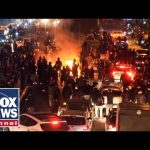
As protesters take to the streets, they confront not only the regime’s authoritarianism but also the looming fear of government retribution. Reports indicate that a 26-year-old man faces execution for merely participating in these protests. This news comes amidst a complete internet blackout imposed by the Iranian government, designed to stifle communication and hide the brutal reality many are enduring. Yet, some brave souls have managed to share flickers of hope and resistance through alternative means, revealing the genuine struggle happening within the country.
On the U.S. front, President Trump is actively weighing options to handle this escalating situation. Although military action has been a tool in his foreign policy arsenal, the President appears poised to take a different route this time. Senior officials are expected to brief him on multiple strategies, including economic sanctions and cyber-attacks—tools that may sidestep direct military confrontation while still sending a strong message. A notable tactic in the President’s playbook is the use of tariffs, with Trump announcing a 25% tariff on any business dealings between the U.S. and Iran. It’s like slapping a financial handcuff on Iran while offering them a chance to play by the rules of diplomacy.
Interestingly, the rhetoric coming from Iran is a mixed bag of threats and pleas for negotiation. The Iranian Foreign Minister has publicly declared that while the country is not seeking a war, it is more than ready for one if pushed. They also express a willingness to negotiate—albeit under conditions of mutual respect. However, this dual message leaves many perplexed. What does Iran truly want? Are they buying time until their grip on power is more secure, or do they genuinely seek a peaceful resolution?
The silence of protesters around the globe, particularly from those in support of other causes, has not gone unnoticed. Observers have pointed out the stark contrast in advocacy when it comes to human rights violations in Iran compared to other conflicts. Comments from notable figures have highlighted this hypocrisy, questioning why the cries for freedom from Iranian citizens haven’t garnered the same passionate responses seen in other cases. It raises the uncomfortable question of whether some lives matter more than others on the global stage.
In conclusion, the situation in Iran is a complex tapestry of struggle, resilience, and political maneuvering. As Americans receive updates from their leaders and watch the turmoil unfold, many find themselves grappling with feelings of confusion and frustration. The U.S. government is poised to act—but how and when remains to be seen. For the people of Iran, their lives hang in the balance, and the world is watching closely as they fight not just for their freedom, but for recognition and solidarity in their darkest hour.