Staff Reports
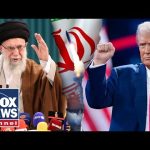
In recent days, the international drama surrounding Iran has taken center stage, raising eyebrows and questions about what the future holds for the volatile region. President Trump’s tone, once full of fiery rhetoric against the Iranian regime, appears to have softened, leaving many to wonder if the U.S. is considering a more measured approach. However, beneath this tempered demeanor, a game of chess may be unfolding, with the potential for serious consequences if the Ayatollah miscalculates his next move.
As tensions rose in Iran, reports suggested that the regime’s violent crackdown on protesters might be winding down, leading some to speculate whether the U.S. would step back from military intervention. Yet the Trump administration has been bolstering its military presence in the region, hinting that while restraint is currently the name of the game, the option for a more vigorous response remains very much on the table. It appears that the U.S. is preparing for any misstep by the Iranian leadership, maintaining a watchful eye on developments that could lead to renewed aggression.
The panel of experts discussing these events hinted at a growing sense of wariness within the administration. While there is a strong desire to see the Iranian regime toppled, the complexities of what that would entail become clearer with each passing day. As history has shown, military intervention can lead to unforeseen challenges and consequences that may not align with long-term U.S. interests. Experts note that while the U.S. can take steps to weaken Iran’s power, the onus of change ultimately lies with the Iranian people. Herein lies the conundrum: how to support these protesters without pushing them into a corner where they might rally around the very regime the U.S. wishes to see dismantled.
This backdrop of military buildup raises questions about the strategies at play. Senators and defense officials are engaged in discussions about the effectiveness of large-scale military actions. Many argue that without a solid plan for post-conflict stability, any offensive could devolve into chaos and increased brutality. It seems the administration is weighing options carefully, trying to find the right balance between showing strength and avoiding a full-blown conflict, reminiscent of past missteps by previous administrations.
As all this unfolds, the situation echoes a larger theme in Trump’s foreign policy approach, which sometimes veers into the realm of the unpredictable. While some believe he is merely laying groundwork for a more diplomatic avenue, others caution that aggressive threats could foster significant backlash, even compromising alliances with European nations. The long-term ramifications of the current U.S. stance remain uncertain, but one thing is clear: the world will be watching to see if President Trump sticks to his guns, or if this lull in rhetoric is merely a strategic pause before a storm.