admin
admin
In a bold, decisive move the United States reportedly captured Venezuelan President Nicolás Maduro in a pre-dawn operation on January 3, 2026, removing a brutal, corrupt autocrat who had long terrorized his own people and threatened hemispheric security. The operation—described by officials as surgical and executed with overwhelming force—marks an unprecedented turn in American foreign policy that conservatives argued was overdue.
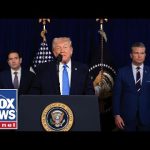
President Trump publicly celebrated the outcome and even said the U.S. would temporarily “run” Venezuela while a transition is arranged, arguing that American stewardship would be necessary to stop chaos and secure the country’s energy resources. Critics on the left immediately cried imperialism, but the administration framed the mission as enforcing justice against a indicted narcotrafficker and dismantling networks that harmed U.S. communities.
Across the conservative media ecosystem, commentators and Republican leaders praised the operation as the kind of decisive action this country has lacked for years, insisting that patience and posturing never stopped Maduro’s crimes. Lawmakers from South Florida—home to many Venezuelan exiles—called the capture a vindication for those who warned the regime was a direct threat to American security.
That said, sober conservatives should acknowledge the legal and diplomatic questions this move raises; international lawyers and many foreign governments have condemned the seizure of a sitting head of state without UN backing or clear congressional authorization. These are real challenges that the administration will have to answer, but they do not erase the fact that Maduro presided over a narco-state that exported misery and harbored groups hostile to the U.S.
Reports of casualties and injuries during the operation are troubling, and any loss of innocent life is regrettable; the administration says American forces suffered few injuries while taking a singular, high-value target into custody. The hard truth is that removing a violent regime is messy, and those on the left who reflexively denounce every act of American strength owe the public a better plan for how their timidity would have stopped kidnappings, cartel violence, and drug flows.
For conservatives who have watched Venezuela collapse under Maduro’s rule, seeing him taken to face charges in U.S. courts is vindication of long-standing warnings about his ties to drug cartels and transnational crime. This moment is not about empire; it’s about enforcement—bringing an accused narco-terrorist to justice and protecting American lives from drugs, kidnappings, and criminal networks that flourished under his watch.
Meanwhile, the predictable shrieks from Democratic politicians and cable pundits—calling the action reckless and imperial—reveal a deeper weakness: a governing class comfortable with moralizing but not with the hard choices required to keep the country safe. Conservatives should push for accountability and transparency where needed, but we should not apologize for seizing the moment to defend the rule of law and blunt a regime that exported poison to our streets.
If the United States truly intends to see Maduro face trial and Venezuela begin a real recovery, the administration must follow through with a clear plan for reconstruction, security, and a constitutional transition that empowers genuine Venezuelan leaders. Delivering on that promise will turn a controversial moment into a historic victory for liberty and a rebuke to the policies of weakness that allowed Maduro’s tyranny to fester.