admin
admin
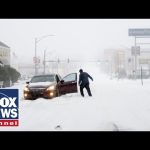
A massive winter storm slammed across the United States on January 24–25, 2026, sending blinding snow, ice and a plunging arctic blast from the southern plains all the way to New England. Hardworking Americans in Nashville, Washington, D.C., and New York woke to a reality politicians in comfortable offices rarely face: roads shut, power down, and families scrambling. This was not a localized hiccup but a nationwide challenge that exposed how unprepared our systems are for real winter emergencies.
Air travel collapsed as the storm carved through the country, with airlines canceling nearly 10,300 flights and stranding thousands of travelers on Sunday, January 25. Airports from Reagan National to New York hubs ground operations to a halt while families and businesspeople saw plans ruined and schedules shredded. The chaos on the tarmac is the predictable consequence when bureaucracies and national carriers fail to plan for predictable winter weather.
Nashville’s situation was a stark reminder that even major cities can be knocked to their knees by ice and neglect, with nearly half the city losing power as trees and lines came down. Neighbors pulled together, warming cars and checking on elderly residents, while utility crews worked around the clock under dangerous conditions. Credit belongs to those linemen and municipal crews who answered the call, but questions have to be asked about maintenance and readiness.
Washington, D.C., and New York City faced their own emergency decisions as officials opened warming centers, altered transit plans, and declared states of emergency to cope with the storm’s bite. Tragically, there were also reported deaths tied to the cold in New York, underscoring how lethal sudden freezes can be for the vulnerable. When cities are forced into crisis mode, it reveals the consequences of years of complacency and misplaced priorities.
Across the grid the numbers were grim: outages ballooned into the hundreds of thousands, with some reports counting upwards of 700,000 to nearly 880,000 customers without power at peak. That level of failure cannot simply be blamed on Mother Nature; policy choices about energy, infrastructure investment, and grid management play a huge role. Americans deserve a grid that is resilient, pragmatic, and built for real-world extremes, not one left brittle by ideology.
Forecasters warned this was driven by a brutal polar air mass that would leave refreezing and prolonged recovery in its wake, meaning families and communities could be dealing with the aftermath for days. That forecast should be a wake-up call: we need robust winter preparedness plans, hardened transmission lines, and sensible energy diversity so that millions aren’t plunged into darkness every time the temperature drops. Political leaders who cheer for “green” policy wins while ignoring grid reliability must be held to account when outcomes like this risk lives.
Now is the time for common-sense action, not finger-pointing. Support local first responders, demand accountability from utility companies, and push for policies that prioritize reliable power, sensible emergency planning, and the ability for families to stay safe and warm. Americans are resilient and generous by nature; with the right leadership and respect for practical solutions, we’ll come through this stronger and better prepared for the next storm.