admin
admin
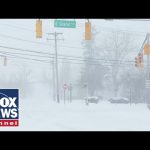
A ferocious, historic winter storm slammed across the heart of America over the weekend, grinding travel to a halt and plunging hundreds of thousands of families into darkness. Meteorologists are calling it one of the broadest and most disruptive systems in years, stretching from the Plains to the Northeast and forcing emergency declarations in state after state.
Airlines and airports were crippled as thousands of flights were scrubbed and major hubs sat empty while travelers scrambled for answers. Utilities reported massive outages as ice and heavy snow snapped lines and toppled poles at a scale that exposed fragile, aging infrastructure nobody wants to talk about until the lights go out.
Federal and state officials rushed to urge people to stay home and avoid the roads — the right call, but a reminder that our public safety depends on preparedness, not press conferences. Governors and DHS officials warned citizens that staying off the roads would keep emergency responders free to help those who truly need it, while dozens of counties declared states of emergency.
Local leaders stepped up where they could, telling residents to hunker down and conserve power — including Fayetteville’s mayor, Molly Rawn, whose office has been coordinating local responses and reminding residents to heed official guidance. Americans want mayors and governors who act quickly and clearly when storms hit, and many of those on the front lines did exactly that.
But let’s be frank: these recurring grid failures and travel collapses aren’t just “bad luck.” They are the predictable result of decades of deferred maintenance, political theatre, and policies that prioritize trendy platitudes over reliable, resilient infrastructure. When families lose heat in subzero nights, rhetoric won’t warm them — tough, practical investment and accountability will.
Hardworking Americans know how to prepare and help their neighbors, and now is the time for that spirit to shine. If you can stay home, do it; if you can check on an elderly neighbor from a safe distance, do that; and if you can donate time or resources to local shelters, step up. First responders, linemen, and everyday patriots are the backbone of real disaster response — while politicians argue, they get to work.
When the storm clears, there will be plenty of finger-pointing, but the remedy is obvious: rebuild smarter, fund our grids, and stop treating essential services like optional priorities. We should demand elected leaders who put real infrastructure resilience ahead of feel-good policies, because the next winter will come whether they act or not — and Americans deserve leaders who prepare, not panic.