Staff Reports
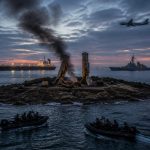
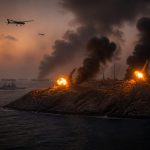
U.S. forces struck Iranian missile launchers on Larak Island in the Strait of Hormuz, and Tehran answered with ballistic missiles launched toward American bases in Jordan — reportedly intercepted over Jordanian airspace. This isn’t a far-away skirmish. It’s a direct shot across the bow of global commerce and American troops on the ground.
What happened on Larak Island and in Jordan
U.S. Central Command says IRGC forces were seen preparing rockets that could disperse sea mines into the Strait of Hormuz, so American forces struck the launchers to stop a clear danger to shipping. Iran’s Revolutionary Guard then publicized footage it says shows ballistic missiles fired toward U.S. bases in Jordan; Jordanian air defenses reported intercepting missiles that penetrated their airspace. Initial U.S. accounts reported no confirmed impacts on American facilities, but Iranian claims of casualties on Larak remain unverified.
Why this escalation matters for ordinary Americans
The Strait of Hormuz is not an abstract map line — it’s the lifeline for oil and goods that keep prices stable in every American grocery store and at every gas pump. Markets already nudged oil prices higher on the news, and prolonged confrontation raises shipping insurance, rerouting costs, and the kind of volatility that hits working families and small businesses first. And let’s be blunt: when missiles start flying toward bases with U.S. personnel, you’re no longer watching theater news — you’re watching the lives of service members and their families put at risk.
Who’s saying what — and who’s in charge of the response
Capt. Tim Hawkins of CENTCOM laid out the U.S. justification: the strikes prevented a mine threat to civilian and commercial shipping. Iranian outlets and Guard spokesmen called the American action a “fatal mistake” and vowed punishment — Gen. Hossein Mohebi was one of the voices Tehran floated. At home, the country will be watching President Donald Trump and Secretary of Defense Pete Hegseth for the next move: measured de-escalation, stronger deterrence, or something sharper that could widen the fight.
What to watch next
Keep an eye on CENTCOM, the Pentagon and Jordan’s armed forces for confirmations about any impacts or casualties, and on Iranian state channels for further claims. The practical fallout is immediate: higher energy prices, nervous shipping lanes, and a real danger of tit-for-tat strikes that draw in allies and proxies across the region. One final, hard fact — we can stop pretending this is someone else’s problem: when global chokepoints are threatened, American families pay the bill. Which way will Washington steer — toward containment that protects lives and commerce, or toward escalation that costs both?