Staff Reports
Call it brinkmanship with a spreadsheet. On Fox this week national-security analyst Dr. Rebecca Grant said Iran “has no place to go” under the U.S. economic squeeze and suggested Tehran will be forced to sign a deal — a tidy line that suits a cable narrative, and one that raises a lot of practical questions for Americans who pay the bills. Below is the clip and a closer look at what this pressure campaign really means for the Strait of Hormuz, global oil, and the people who’ll feel the fallout.
What’s really happening in the Strait of Hormuz
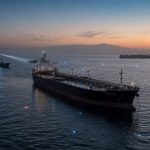
The Strait of Hormuz is the lynchpin — a narrow waterway that handles a huge slice of the world’s oil. Iran has laid down new, hard conditions for reopening normal commercial traffic: lifted parts of the U.S. blockade, access to frozen assets, and even compensation for past damage. Those are political demands, not simple logistics, and they’ve tangled an Oman-mediated proposal meant to get tankers moving again without a military showdown.
America’s playbook: squeeze first, keep the guns visible
Washington’s chosen a pressure campaign: tighter sanctions, new maritime restrictions, and a de facto choke on Iranian crude. That’s the backdrop for Dr. Grant’s assessment that Iran “has no place to go” — she’s saying the economic math, not just missiles, will force Tehran’s hand. Remember: that’s expert analysis on a cable show, not an administration manifesto — but it does reflect a deliberate choice to favor economic pain over immediate kinetic action.
How long can Tehran take the pain?
Intelligence analysts and open reporting agree: Iran can absorb economic pain for months, maybe longer. Inside Iran the economy is strained — inflation, supply snarls, shrinking trade — and that pressure matters because it chips away at the regime’s political resilience. For ordinary Americans the consequences are concrete: higher energy prices at the pump, more expensive shipping for goods, and risk premiums that push up the cost of everything from heating to fertilizer.
What comes next — and what it means for us
Pundits on TV talk about a “big blow” coming; policymakers have to choose whether that blow is a final economic squeeze, a targeted military strike, or some messy hybrid. Any escalation risks lives — sailors, tanker crews, and service members — and could spike global markets overnight. So here’s the inconvenient question: do we trust a slow squeeze to bring Tehran to heel before the next provocation forces a far messier decision?