Staff Reports
The arrests near RAF Fairford have jolted a sleepy corner of Gloucestershire and raised a lot of big questions about how we protect U.S. forces and allied bases in Europe. A suspected terror plot, five men detained, and a major Counter Terrorism Policing operation deserve answers — fast, clear, and firm. The public should not be left waiting while officials urge calm and ask people not to speculate.
What happened at RAF Fairford?
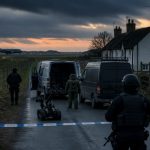
Armed officers arrested five British men in their 20s after a tip about suspicious vans near Whelford, close to RAF Fairford — the base known to host U.S. long‑range bomber operations. Police set a 400‑metre cordon, evacuated about 85 homes, and had the Army’s Explosive Ordnance Disposal teams examine vehicles. Counter Terrorism Policing took the lead and said the probe is large and complex. Assistant Commissioner Laurence Taylor later confirmed the five were released on police bail while enquiries continue.
Why U.S. forces and the public should pay attention
RAF Fairford is not just a local airfield. It is a forward location for U.S. forces tied to operations in the region. That makes any suspected terror plot there a national‑security story for both Britain and America. Investigators say they are exploring multiple lines of inquiry, including whether actors tied to a foreign state could be involved — but they have not confirmed a motive. President Donald Trump publicly praised the arrests and warned the suspects were “looking to do big damage,” a blunt reminder that officials in Washington see this as serious.
Questions law enforcement needs to answer now
Counter Terrorism Policing leaders, including Deputy Assistant Commissioner Vicki Evans, have rightly asked for space to work carefully. Still, the public has a right to know whether this was an intelligence‑led operation or the result of a tip from a local farmer, as some outlets have reported. Assistant Chief Constable Richard Ocone asked people not to speculate, which is fair — but speculation grows when official timelines, coordination with U.S. agencies, and the reasons for releasing suspects on bail remain unclear.
What should happen next
If the line of inquiry points to a foreign sponsor, the UK and U.S. must coordinate a swift and public response. That means faster intelligence sharing, clearer force‑protection steps at sites like RAF Fairford, and honest briefings to the public. The Rt Hon Ed Miliband MP and other ministers should make clear how they will prevent the next plot. Yes, be careful — but don’t confuse caution with silence. We can be mindful of the investigation while demanding robust protection for U.S. forces and British communities. And while we can thank the tipster who alerted police, let’s not pretend our safety should rest on farmers finding suspicious vans; that’s a lousy defence plan.