Staff Reports
Recent reports out of the Democratic Republic of the Congo (DRC) say that Islamic militants attacked Christian communities in North Kivu’s Beni Territory in mid-July, killing more than 20 people — including a church elder and a worship leader. The violence left homes burned, families terrified, and local Christians pleading for help while the world barely notices. This is not a remote tribal squabble. It is organized religious violence aimed at wiping out Christians in the eastern DRC.
What happened in Mangina and Beni
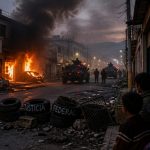
According to local witnesses and faith-based monitors, the Allied Democratic Forces (ADF) struck twice in the mostly Christian commune of Mangina. The attackers used knives and firearms and set houses on fire. Six people died in the first assault, and ten in the second. Nearby, west of the city of Beni, another raid killed seven residents and three soldiers. The toll is grim: more than 20 dead, leaders of churches targeted, and entire communities left in fear. The ADF has long terrorized eastern DRC, but these mid‑July attacks show a worrying pattern: Christians are being singled out for elimination.
Who the ADF is and why it matters
The ADF is an Islamist extremist group with known links to the so‑called Islamic State. In plain language: this is not random crime. This is religious persecution and organized terror. Christian charities and watchdogs rank eastern DRC among the most dangerous places in the world to be a Christian. Aid groups and Amnesty International describe massacres, kidnappings, and the destruction of churches as deliberate moves to erase Christian presence in the region. When militants target worship leaders and elders first, it signals a plan to destroy the social and spiritual fabric of these communities.
The world’s weak response — and what should change
Amnesty International’s Secretary General has called the ADF’s brutality a string of war crimes. Yet the global reaction has been muted. Western talk shops will issue statements and hashtags, while civilians continue to suffer and displacement climbs. If words meant safety, these Christians would already be safe. What’s needed is clear: stronger support for local security, more humanitarian aid, and sustained diplomatic pressure to cut the ADF’s supply lines and foreign links. And yes, Western governments ought to treat attacks on religious minorities as the international crisis they are, not a side note buried in an aid report.
This is a test of moral clarity. The people of Mangina and Beni are being targeted for who they pray to. Conservatives who value religious freedom should not look away. The United States and allies should back real measures to protect civilians, support refugees, and crush the networks that enable groups like the ADF. If we pretend this kind of persecution is someone else’s problem, we lose credibility — and more importantly, we abandon the innocent people who need our help right now.