Staff Reports
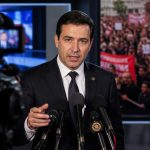
Senator Mark Kelly trotted out a familiar cable‑TV routine on CNN’s OutFront, telling viewers that President Trump “needs to read a book” and blasting the president for focusing on symbolic moves — like the flap over renaming Lake Ontario “Lake America” — instead of tackling everyday problems Americans face. It made for a juicy TV sound bite. But it also revealed more about the left’s priorities than about the president’s.
Kelly’s Cable Sermon vs. Real Strategy
Kelly painted a picture of a president obsessed with pageantry while people struggle with high gas, rent and food costs. That’s a tidy narrative for a late‑night clip. It sounds tough and earnest. Problem is, politics has always mixed symbolism with leverage. When the White House turns the spotlight on a trade spat, including dramatic words about a map, it’s often because real bargaining chips are on the table. Americans who want deals that favor U.S. workers don’t care whether a headline mention includes a lake name. They care about results.
Allies, Adversaries and the Art of Pressure
Kelly scolded the president for being “tougher on our allies than our adversaries” and for cozying up to dictators. That’s the favorite Democrats’ talking point right now — but it’s shallow politics dressed up as foreign‑policy expertise. Calling out allies in public can be a pressure tactic to get them to step up. And demanding allies pull their weight isn’t weakness; it’s a demand for fairness. If Kelly thinks lecturing America’s elected leader on etiquette will fix trade imbalances or secure better deals, he’s confused about how leverage actually works.
Energy Prices, Blame Games and Political Theater
Kelly blamed the president for energy pain at the pump. Fair criticism when policy hurts Americans. But let’s be honest: energy prices are the result of global markets, past policy, and geopolitics — not the product of a single presidential sound bite. Meanwhile, opponents act shocked when the White House uses every tool, including headline‑grabbing moves, to protect U.S. interests. If Kelly wants to choose between reading history and reading the headlines, he’ll have to pick the one that explains cause and effect instead of just producing talking points for late‑night tweets.
At the end of the day, Americans don’t vote for sermonizing on cable. They vote for leaders who produce results: stronger jobs, secure borders, fair trade and a military that deters enemies. Senator Kelly’s line about “reading a book” makes for a viral clip, but it doesn’t change the fact that political theater and blunt pressure have long been tools of statecraft. If Democrats want to win arguments, they should show alternative plans that actually lower costs and strengthen alliances — not just snark the president on TV. Until then, voters will keep asking which approach delivers for them, not which one wins a headline.