Staff Reports
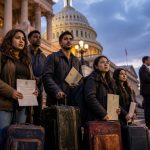
King Felipe VI showed up where it mattered this week. He and Queen Letizia sat with grieving families at the Toledo Cathedral for a memorial for the victims of the deadly Urda train crash. Prime Minister Pedro Sánchez did not. Spanish outlets report he spent the afternoon recording a podcast episode instead, citing “secularity.” The choice exposed bad optics and raised questions about leadership and priorities.
King Felipe’s quiet duty — comfort and calls for justice
The royal couple moved through the rows of mourners, shook hands, gave hugs, and lit candles for the 69 victims. The Archbishop of Toledo used the pulpit to demand clarity about what happened and that “appropriate responsibilities” be assumed. That is exactly the kind of moral leadership people expect in a tragedy: show up, listen, and press for answers. The King did just that. Thousands attended the service. The image of a monarch consoling families will stick with many Spaniards.
Prime Minister Sánchez stayed away — the excuse and the contradiction
Pedro Sánchez says he does not attend religious services on principle. Fair enough, if consistent. But the history is messy. Records show the prime minister has attended multiple religious ceremonies while in office, including Masses with the royal family. So declaring strict “secularity” now looks selective — and political. Choosing absence instead of presence during a national moment of grief reads as tone-deaf, especially when leaders are supposed to comfort the grieving and reassure the public.
Podcasting during mourning: priorities under a microscope
Spanish outlets report Sánchez spent the afternoon recording a podcast interview set to run as he campaigns for a snap general election he himself called. If the prime minister prioritized a media appearance over a memorial for dozens of dead, voters will notice. Podcasting is useful. Consoling families is not optional. Leadership means being where you are most needed, not where your microphone is turned on.
Optics, accountability, and what comes next
People want two things now: truth and leadership. The Archbishop asked for clarity and justice, and families deserve both answers and respect. Leaders who skip the hard moments undermine confidence in public institutions. If Sánchez truly believes in secular government, he should explain why similar past behavior doesn’t apply now. If he simply miscalculated, a clear apology and a serious commitment to support victims would be a start. Spain needs leaders who put people before politics. Showing up matters — and voters remember who does.