Staff Reports
Secretary of War Pete Hegseth made one thing plain during his Senate Appropriations Committee testimony this week: Congress is choosing politics over protection. During the July 21 hearing, Hegseth laid out blunt facts about the Iran conflict, the costs so far, and what the Pentagon needs to replenish munitions and restore readiness. He didn’t mince words about who he blamed — naming Senate Democrats for a double standard after years of quick Ukraine aid but slow action to fund American troops now. The message was simple: if you won’t fund the force, don’t be surprised when deterrence cracks.
Hegseth Blasts Senate Democrats Over Hypocrisy
Hegseth’s central charge was a moral and strategic one. He pointed to five past supplemental bills for Ukraine that cleared the Senate with urgency and argued that the same urgency should apply when American service members face real danger. He called the failure to properly fund the Department of War “probably the single greatest threat this country faces,” and accused some senators of political cowardice. If lawmakers can find money to send abroad fast, Hegseth asked, why can’t they find it to defend Americans now? It was a live demonstration of the “talk tough, fund soft” problem conservatives have been warning about.
Cost, Readiness, and the Stakes
The numbers Hegseth gave were stark. He estimated the U.S. campaign related to Iran has already cost roughly $37.5 billion and described supplemental requests in the range that defense leaders have called urgent to replenish weapons, rebuild readiness, and deter further aggression. This is not bookkeeping; it’s about missiles, ammunition, training and the basic ability to fight. When munitions are gone and maintenance is deferred, the nation’s deterrent power erodes. Republicans who want a strong military should stop pretending budget hair-splitting is more important than keeping troops safe.
The Hearing: Heat, Noise, and Political Theater
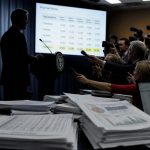
The hearing was noisy — literally. Protesters interrupted, and there were fiery exchanges between Hegseth and several Democratic senators. Sen. Gary Peters rose to denounce leadership, only to be answered by Hegseth’s blunt demand that senators show courage and fund the department instead of posturing. Other Democrats pushed questions about strategy and spending oversight, but few offered a clear plan to close shortfalls. The optics were bad: a defense chief pleading for support while partisans score points off the readiness crisis. That’s not debate; that’s dereliction dressed as drama.
What Congress Must Decide — Vote for Troops, Not PR
Now Congress has a choice. It can put politics aside and pass the supplemental funding to replenish the Department of War, or it can keep playing budget games while the readiness gap widens. Leaders who truly care about deterrence should support the emergency funds and insist on accountability without turning it into an excuse to stall. If Republicans want to win the argument, they should force the issue into votes and make senators explain to voters why they chose optics over ordnance. The country deserves strength. Lawmakers who refuse to fund it will own the consequences — and history will not be kind.