Staff Reports
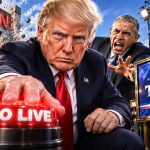
President Donald Trump’s White House just pulled a big lever: reporters from CNN, MS NOW, and Politico had their White House credentials deactivated and were physically turned away from the complex. The three outlets have moved quickly to file an emergency federal lawsuit, arguing the ban violates the First Amendment and due process. At the same time, the usual TV pool for presidential events went dark when the networks declined to replace CNN, leaving a hole where live, pooled video normally would be.
What happened at the White House and why the TV pool stopped
The administration disabled badges for the three outlets and prevented their journalists from entering the White House grounds. Reporters did what reporters do and reported live from just outside the gates. The TV pool chair, Bryan Boughton, told members there would be no replacement pooler after CNN was removed, and the major networks signaled solidarity by declining to provide a substitute. The net result: some presidential events proceeded without the customary pooled audio and video feed that other outlets rely on.
The legal fight is headed to court — fast
CNN, MS NOW, and Politico retained prominent First Amendment counsel, Theodore J. Boutrous Jr., and filed for expedited relief in federal court. Their claims lean on prior rulings where judges ordered temporary restoration of credentials when process was lacking. So don’t be surprised if a judge hears this quickly and issues a fast, temporary order while the bigger fight plays out. The administration says it’s removing “fake news” and protecting operations; the outlets say it is a viewpoint punishment with no due process.
What the boycott really exposes: media weakness, not presidential overreach
Let’s be honest: the boycott feels more like a temper tantrum than a constitutional crusade. The legacy networks do have power, but their audiences are shrinking and many Americans get video and audio from feeds and social platforms anyway. If the White House streams its own pool-quality feed, people will still see speeches and events. The real risk is not a secret crackdown — it’s the media’s refusal to adapt. Networks blocking the feed of the public’s business so they can posture about “freedom” looks less noble and more self-sabotage.
What to watch next and why this matters
Keep an eye on the court docket for any emergency relief and on whether the TV pool suspension lasts through big events. Watch also for how the White House chooses to distribute video — will it set up a direct feed, and who will accept it? Finally, remember the political angle: Democrats and their allies will play victim and demand outrage, while Republicans should hammer the practical question — who is truly serving the public interest: an outlet that covers events for everyone, or an industry that punishes viewers with boycotts to make a point? Either way, the American public will probably get the images it needs — even if the networks prefer drama over coverage.