Staff Reports
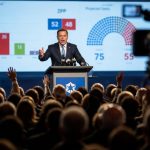
Speaker Mike Johnson told Fox News Sunday what a lot of Republican voters already believe: the polls you see on cable aren’t the whole story. He pushed back hard on the idea that the midterms are a done deal for Democrats, saying the ground game, turnout and real voter concerns are being undercounted by those same outfits that sell headlines to donors.
Why Speaker Johnson says the polls are wrong
Johnson’s point wasn’t mystical. He argued the methodology and assumptions behind many polls systematically miss the Republican voter this cycle — the working-class family worried about the border, the small-business owner watching prices, the suburban mom fed up with crime. Pollsters can miss enthusiasm, undercount precincts where turnout will surprise, and rely on samples that skew toward the coastal press corps, not real America.
Translation: if you’re deciding strategy off a polling graph printed by a Washington newsroom, you’re probably late to the fight. That’s tangible — it affects where campaigns spend money, which races get help, and whether volunteers knock on thousands of doors or assume it’s over.
A midterm plan tuned for Main Street, not pundits
Johnson spelled out the GOP playbook plainly: talk about what touches people’s lives — jobs, inflation, border security, public safety — and run candidates who look and act like their communities. It’s not flashy, but it’s effective. Local trust beats national lecturing every time.
Ask the factory worker in Ohio or the rancher on the southern border: they don’t care about Parisian polling trends. They care about steady paychecks and secure neighborhoods. That’s where campaigns should be spending their last dollars and hours.
On Russia and foreign policy: lining up with an America First instinct
Johnson also defended the administration’s posture on Russia as rooted in American interests, arguing we should be clear-eyed about threats while avoiding open-ended commitments that drain our strength at home. Critics call it soft; supporters call it sober — either way, it’s about prioritizing American security and American taxpayers.
That has real consequences: defense priorities, ally cooperation, energy independence and the men and women who serve. Foreign-policy choices trickle down to the budget, the jobs in your town, and the kind of world your kids inherit.
What voters should take from all this
Bottom line: polls are a snapshot, not a verdict. Johnson’s message is a reminder that elections are fought in kitchens and church basements, not in sterile survey rooms. If Republicans believe the polls that say they’re already behind, they’ll concede seats before a single ballot is cast; if Democrats believe their comfort, they might skip the boots-on-the-ground work that wins contests.
So who’s right — the pollster with his tracker or the neighbor you trust? That question will decide more than headlines; it might decide control of Congress. Which side are you on?