admin
admin
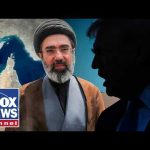
If Iran’s leaders balk at showing up in Islamabad for mediated talks, they’ll prove exactly what patriotic Americans already suspected: Tehran prefers posturing to peace and cowardice to accountability. Political experts on Fox’s The Story — including Marc Thiessen and Guy Benson — rightly called out Iran’s hesitation as dangerous grandstanding that risks squandering a real chance to end bloodshed.
Pakistan has turned its capital into a fortress ahead of these negotiations, sealing the so-called Red Zone and shifting government functions to remote work to protect diplomats and the process. That level of security underlines the seriousness of the mediation and the absurdity of any Iranian snub; talks hosted under such extraordinary precautions are not for the faint of heart.
Washington has been understandably impatient — the White House extended a conditional ceasefire while keeping pressure on Tehran, signaling that America will reward diplomacy but not surrender deterrence. Iran’s public hedging about whether it will participate only underscores why the regime can’t be trusted to negotiate in good faith unless forced by consequences.
Let there be no mistake: showing up matters more than flowery statements. If Iranian officials fail to appear, they will hand their hardliners and proxies an excuse to keep fighting, and they will expose the regime’s preference for chaos over compromise. The United States’ insistence on both talks and enforcement — including a naval blockade that keeps Tehran’s options constrained — is precisely the leverage needed to produce real results.
The media elites and appeasers at home who carp about “diplomacy at all costs” should watch Islamabad’s preparations and learn a lesson in seriousness: negotiations without leverage are theater, not peace. America must back genuine talks that include verification and consequences, not vanity photo-ops for a regime that funds terror and murders dissenters.
Conservatives who demand strength over sentiment will recognize this moment as one to hold the line. We cannot reward evasion or empower bad actors by pretending that absence from the table is acceptable; constructive diplomacy means showing up, signing on, and being held to account. The choice facing Iran is simple — engage like a rational state or bear the costs of isolation.
Hardworking Americans deserve a foreign policy that protects our security and supports our allies without falling for empty rhetoric. If Iran refuses the path of negotiation under credible pressure, then let their intransigence be the proof that firmness, not flinching, keeps America safe and the world more stable.