Staff Reports
Here’s the quick, unvarnished version: U.S. financial pressure and a tougher naval posture have squeezed Iran’s oil trade hard enough that trackers say crude loadings fell to zero in September and about 50 oil‑laden tankers now sit bottled up near Iranian ports. That is the development everyone is talking about — and it matters more than the usual hot takes from people who prefer slogans to evidence.
What the trackers and Treasury are saying
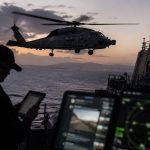
Bloomberg’s tanker‑tracking estimates and a shipping update from United Against Nuclear Iran both report a sharp drop in conventional Iranian exports. United Against Nuclear Iran counted roughly 50 tankers backed up near Iran, while Treasury Secretary Scott Bessent told an interviewer that Iran would have “no oil on the water this week” as a direct result of Operation Economic Outcast. That operation is Treasury’s whole‑of‑government squeeze — sanctions, secondary pressure and more — meant to sever Tehran’s revenue streams. Naval escorts and enforcement have also forced many vessels to divert, tightening the chokehold in the Strait of Hormuz and nearby waters.
Why this actually matters
If those numbers hold up, the choke is not academic. Iran’s economy depends on oil receipts to import goods and fund proxies. The rial has been collapsing and inflation is ripping through ordinary people’s lives. Cutting off conventional loadings and keeping dozens of tankers idle can bleed Tehran’s war chest and slow its ability to finance terrorism and regional mischief. That is the point of combining military pressure with sanctions — to make the cost of continuing the fight exceed the benefits.
Caveats the skeptics keep reminding us about — and why they aren’t excuses
There are real technical caveats. Trackers disagree, and “dark” exports — ship‑to‑ship transfers, floating storage, and vessels running their transponders off — can mask continued flows. Firms like Kpler and Vortexa use different methods, and some analysts say Gulf exports, when you include shadow routes, have rebounded. Fine. That’s why zero loadings for a month is a big signal but not the end of the story. It’s also why Treasury and the military must keep tightening the screws and plugging loopholes in the shadow fleet so Tehran can’t monetize oil by sleight of hand.
What should happen next
Credit where credit’s due: Operation Economic Outcast and a firmer naval posture are producing real pain for Iran. But I’m impatient in the right way — when you’ve put an opponent on the ropes, finish the job before they learn new tricks. That means faster sanctions enforcement, chasing shadow transactions, pressuring intermediaries, and keeping military options credible so attacks from proxies or Houthis don’t let Tehran buy time. If the goal is to deprive the regime of funds for malign activity, half‑measures and delays only let them adapt. So keep the pressure, tighten the tracking, and don’t let a temporary tactical win become a long, costly stalemate.