Staff Reports
The U.S. military launched a new round of strikes against Iranian targets this week after what American commanders called a “surprise” attack on U.S. forces and continued hits on commercial ships in the Strait of Hormuz. CENTCOM said the operation began Wednesday night as a “powerful response” to Tehran’s recent aggression. For anyone who hoped the pause in strikes meant the crisis was over, welcome back to reality.
U.S. strikes Iran: what happened and why
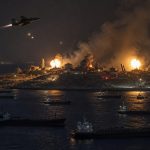
The Pentagon, via CENTCOM, announced that U.S. forces struck Iranian coastal and military infrastructure tied to maritime attacks — things like air‑defense arrays, coastal surveillance and anti‑ship missile and drone launch sites, plus command-and-control nodes. The strikes came after Iran launched what U.S. officials described as an attempted or surprise attack on American troops and after several incidents against commercial vessels transiting the Strait of Hormuz. President Donald Trump had paused strikes over the weekend to give diplomacy a chance; when Tehran kept testing limits, the military moved to respond.
Trump’s pause and the return to force
The pause in strikes was a gamble: a public signal that diplomacy might work, while warning Tehran that the hammer could fall if it did not. That gamble lasted only as long as Iran allowed. Secretary of Defense Pete Hegseth and military leaders like Gen. Dan Caine have been put in the position of turning diplomatic patience into military pressure when needed. Smart strategy uses both tools — but patience without consequences is just wishful thinking dressed up as policy.
Regional fallout and the danger of escalation
Iran’s response in state media was predictable: condemnations, vows of retaliation, and threats from allied proxies across the region. That matters because the Strait of Hormuz is vital for global shipping and the longer this tit‑for‑tat cycle goes on, the more costly it will be for global energy markets and regional stability. The Biden-era hands-off playbook is not in effect here; this administration chose pressure and precision over passivity. Still, leaders in Washington must keep a clear objective and plan to avoid an open-ended war that pulls in others.
Bottom line
Americans should back our troops and support a policy that defends maritime security and American personnel — but backing force also means asking sharp questions: What are the exit conditions? How do we deter proxies? Which partners are on board? President Donald Trump deserves credit for showing resolve; now Washington must show a strategy that ends the cycle, not just prolongs it. Diplomacy is worth trying, but it works best when it’s backed by the credible threat of action — and, yes, the willingness to follow through.