Staff Reports
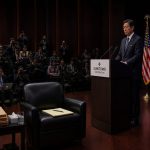
Newly posted USAID Files show a January 2022 webinar in which the Global Disinformation Index (GDI) told U.S. Agency for International Development staff that Breitbart News is a “frequent peddler of disinformation.” The recording and slides are now public, and conservative commentators have rightly amplified the clip. This is not old gossip — it is a government-hosted briefing that names a U.S. news outlet and talks about ways to steer platform policies. That deserves straight talk.
What the USAID Files actually show
The USAID Files include a recorded session titled “Information Disorder and Its Threat to Democracy,” a 92-page Disinformation Primer, and slide decks identifying Daniel Rogers of the Global Disinformation Index as the presenter. In the clip, Rogers uses Breitbart and a page called “Crimes by Illegal Aliens” as an example of what GDI calls media that “curate” truthful local items into a misleading larger narrative. The files also include draft partnership language suggesting tools like downranking or treating some outlets as “high‑risk.” It’s all on USAID’s site — so the documents are public and verifiable.
Why this matters: censorship by another name
Here’s the bottom line: whether you call it “downranking,” “defunding,” or “content moderation,” the goal is the same — to push certain voices out of the central flow of online news. Proposals in a government-hosted briefing to classify U.S. outlets as high-risk and then encourage platforms to act are dangerous. The released documents don’t prove platforms carried out every idea floated. But talking about these tools inside a taxpayer-funded agency shows a willingness to influence what Americans see. If you value free speech, labeling and marginalizing political viewpoints because they’re inconvenient should set off alarm bells.
Who’s involved and what to watch next
Names, roles, and the missing answers
The presenter is Daniel Rogers of GDI. The clip was amplified by Mike Benz of the Foundation for Freedom Online. The USAID Files were made public in the archive released by the current administration’s USAID portal, and President Donald Trump’s team has pointed readers to the cache. The next steps are simple: reporters should get full transcripts, ask GDI what specific actions it recommended, ask USAID whether any internal recommendations became policy, and ask platforms whether they ever adopted the draft partnership language. Transparency is the only antidote to secret shaping of online speech.
A simple test for free speech and accountability
The American people deserve clear answers: did a U.S. agency use taxpayer resources to coach platforms on targeting specific U.S. news sites? If the answer is “we were only discussing ideas,” fine — say that plainly and publish the Q&A. If the answer is “we recommended specific steps,” then we need a public debate about whether government-adjacent groups should be tagging U.S. outlets for special treatment. Conservatives worry about bias and political censorship; this cache gives that worry some teeth. If Washington thinks it can quietly steer online speech, it should expect sunlight and a fight. Americans deserve both.