admin
admin
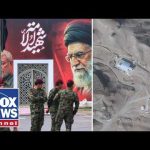
President Trump has ordered a decisive naval blockade of Iranian ports, a move the U.S. military began implementing on April 13, 2026 as Washington vowed to restore freedom of navigation through the strategic Strait of Hormuz. This is not saber-rattling — it is a clear, concrete step to choke off Tehran’s ability to use maritime coercion against global shipping and American interests.
The blockade followed the collapse of ceasefire talks in Islamabad, where diplomacy failed to secure Iran’s promise to reopen the strait to commercial traffic. With negotiations producing no result, the United States rightly moved from warnings to action to protect the flow of energy that keeps the global economy running.
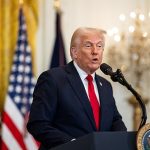
President Trump signaled the administration’s seriousness on April 12, 2026 when he publicly vowed to interdict vessels that paid tolls to Iran and warned Iran’s fast-attack boats that they would be destroyed if they interfered. For years elites and appeasers urged softness while Tehran tested the waters; today’s posture is the opposite — strength before weakness becomes calamity.
U.S. Central Command clarified that the blockade targets traffic to and from Iranian ports while asserting it would not impede lawful transit through the strait to non-Iranian ports, attempting to thread a narrow legal and operational needle. That clarification is sensible: it preserves freedom of navigation for global commerce while denying Iran the ability to tax and terrorize the region.
The markets reacted immediately — oil prices jumped and insurers and shippers signaled caution after reports that traffic through Hormuz had halted, underscoring how much the world depends on American leadership to keep trade lanes open. If anyone wonders why a strong military and clear American will matter, watch energy and transportation costs spike for everyday Americans; the cost of appeasement would have been far higher.
Predictably, the international theater is a mess: Russia and China blocked a watered-down U.N. resolution aimed at reopening the strait, and Tehran issued brazen warnings about any approaching warships. Those vetoes and threats only prove the point conservatives have been making for years — America cannot outsource its security to the U.N. or rely on unreliable partners when our nation and allies are threatened.
Patriots should welcome a White House that puts American commerce, energy security, and the safety of sailors first. The administration announced the blockade on April 12 and began enforcement on April 13, 2026; that clarity and resolve will deter aggression, protect jobs, and force a reckoning with a regime that has long weaponized a chokepoint vital to the world. Support for our Navy and commanders is not warmongering — it is the sober, necessary defense of American interests and the rule of the seas.