admin
admin
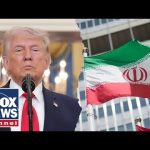
President Trump’s decision to order a naval blockade of Iran’s ports and the Strait of Hormuz on April 13, 2026 was the kind of clear, decisive action Americans elected him to take. Instead of endless hand-wringing and backroom appeasement, this administration moved to choke off the revenue Iran uses to fund terrorism and regional aggression. That show of strength sends a message that weakness and extortion will no longer be tolerated.
Diplomacy had its chance in Islamabad, where a fragile two-week ceasefire that began on April 8, 2026 produced talks but no binding deal, and Iranian negotiators walked away without accepting terms that would protect the region and stop nuclear ambitions. When negotiations fail, leverage is the only language tyrants understand, and reclaiming freedom of navigation in Hormuz is nonnegotiable for global stability. The choice was simple: keep paying tolls to Iran or force a resolution that protects commerce and American lives.
As Sen. Roger Marshall explained on Wake Up America, this is strategic jujitsu — using Iran’s own chokehold against it to speed us to a decisive endgame. Conservatives should applaud tactics that turn an enemy’s strength into their vulnerability, and this move gives the U.S. and its allies real leverage at a moment when the world needs firm leadership. Too many in the establishment still mistake caution for wisdom; boldness backed by capability is what preserves peace.
The economic pain will be real and immediate, yes — oil markets tightened and prices spiked as soon as the strait’s status was imperiled — but that short-term sting beats a long-term capitulation to extortion and nuclear threats. President Trump has been clear: part of the plan is to push importing nations to buy American energy and reduce dependency on Middle Eastern choke points, a push that will strengthen U.S. industry and national security. We can endure temporary volatility if it finishes the fight and secures cheaper, safer energy flows down the road.
Let’s call out the predictable chorus of hand-wringers who claim we’re “escalating” — the real escalation was Iran’s decision to weaponize a commercial waterway and finance proxy wars with ill-gotten oil money. The president’s warnings that any Iranian vessels that interfere with the blockade will be destroyed are tough but necessary to protect our sailors and merchant mariners from state-sponsored piracy. Leadership is not soothing platitudes; it’s protecting American lives and livelihoods even when the press screams.
Congress and the American people should stand firmly behind the administration’s strategy while demanding accountability and clear objectives: reopen the strait, stop Iran’s funding of proxy warfare, and deny Tehran the means to pursue a weapon. That means accelerating American export capacity, sanctioning bad actors who try to undercut the blockade, and pressuring allied nations to take a principled stand rather than cozying up to theocrats who traffic in death. This is a fight for sovereignty and free commerce—two pillars conservatives have always defended.
Patriots should remember that a secure, prosperous America sometimes requires tough, risky choices made by leaders who refuse to bow to threats. The Islamabad talks ran until April 11–12, 2026 but produced no lasting settlement, and the temporary truce was set to expire on April 22, 2026, which made the administration’s leverage all the more urgent. If that leverage brings a definitive end to Iran’s ability to strangle the world’s energy lifelines, then a little short-term discomfort is a small price to pay for long-term peace and American strength.