Staff Reports
The picture coming out of Iran isn’t just grim — it’s unraveling. Economic distress that used to simmer has become a daily hardship for millions, and whatever window there was for a diplomatic reset is narrowing fast as a U.S. blockade of ports ratchets up pressure on Tehran.
Economic freefall on the streets
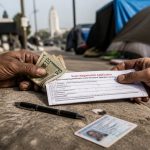
Walk through a bazaar in Tehran or a fishing town on the Gulf and you see it: shortages, longer lines for staples, and a currency that buys less with every sunrise. Inflation has eaten into savings and paychecks, and rolling blackouts and fuel rationing have become a regular part of life — not the occasional headline, but the day-to-day reality for ordinary Iranians. That’s the human cost of an economy that can’t move goods, finance, or trade the way it used to.
Blockade and sanctions: pressure that spills over
Call it leverage if you like, but a blockade of ports — backed by naval interdictions and tighter sanctions — isn’t a surgical tool. It chokes exports, shrinks foreign currency inflows, and makes it harder for businesses to import parts or food, which drives prices up everywhere. Americans feel that ripple too: any squeeze on Middle East oil or shipping lanes pushes up energy costs at the pump and raises prices on goods that move on those routes.
Diplomacy without a clear endgame
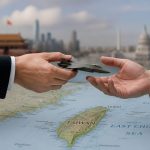
Meanwhile, diplomats keep talking. Mediators shuttle between capitals, and ceasefire ideas get floated, but talk alone hasn’t opened ports or steadied markets. Pressure campaigns need an exit strategy — a realistic bargain that secures American interests without trapping civilians in permanent hardship — and right now, that plan looks paper-thin. If the goal is behavior change rather than chaos, policymakers owe the public a better map.
The hard trade-offs and a human face
Here’s the part politicians gloss over: for every tonne of cargo delayed, there’s a family tightening its belt, a factory idling, a migrant deciding whether to leave. Refugee flows and regional instability don’t stay two countries over — they show up at borders and in neighborhoods here at home. Sanctions and blockades are tools that can be justified, but they’re blunt and expensive; we should ask directly what victory looks like and what price we’re willing to pay for it.
So ask yourself this: do we have the patience and the plan to watch an economy collapse and hope it produces the outcome we want, or is it time for a smarter mix of pressure and negotiation that protects both American interests and human lives?