admin
admin
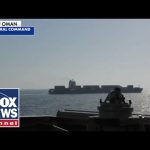
Vice Adm. Robert Harward’s blunt assessment that the blockade of the Strait of Hormuz may be only the “first step” in coming after the Iranian regime is exactly the kind of clarity Americans have been denied by career diplomats and weak-minded pundits for too long. Harward, a former senior military leader who knows what victory looks like, told Fox that decisive naval action signals to Tehran that American patience is gone and consequences are real. If our leaders want peace, they must be willing to back it with force and follow-through.
Harward laid out on Sunday Night America how Iran’s recent military provocations in the Strait require more than hand-wringing and press releases; they require a sustained strategy that blends military pressure with targeted economic measures. He emphasized that the blockade and U.S. naval posture are sending a message inside Iran about who holds the power, and that economic pressure is a lever that can bend complicit regimes when applied intelligently. This is not warmongering—this is strategic pressure aimed at preventing a far larger, costlier conflict.
Listen to someone who has actually commanded forces in the Middle East: Harward’s CENTCOM experience gives him a no-nonsense view of how asymmetric actors like Iran operate and how they can be compelled to change behavior. He warned that the Hormuz blockade should be understood as an opening move in a broader campaign to squeeze the regime and embolden the Iranian people who want freedom, not clerical rule. Conservatives should applaud this clarity and stop apologizing for strength; capitulation never buys security.
Beyond the theater rhetoric, Harward and allied voices have repeatedly argued that economic measures bite where military strikes sometimes fail: they undercut the regime’s ability to fund proxies and its internal patronage networks. That kind of pressure, coupled with clear communications about conditions for relief, can accelerate the very internal fractures our adversaries fear most. This administration’s willingness to use all tools—diplomatic, economic, and military—reflects the realism that kept the peace during clearer, firmer times.
We also cannot pretend there aren’t real global risks here; Iran has proven capable of rattling energy markets and threatening commercial shipping when the Strait becomes a flashpoint. Markets and supply chains do not suffer because of American bravado but because of cynical regimes that weaponize oil and terror. That reality makes it all the more important to have a coherent plan that protects global energy flows while holding Tehran accountable.
Enough of the hand-wringing from pundits who prefer lectures to results. The choice before the country is simple: stand with our sailors, uphold freedom of the seas, and sustain pressure until the ayatollahs stop threatening the world— or appease and watch instability metastasize. Patriots know which side of history they want to be on, and our policy should reflect that courage.
Congress and the American people must back resolute leadership, not timid platitudes. Demand accountability from lawmakers who forget that weakness invites aggression, and support policies that protect American lives and American livelihoods. We owe it to the men and women in uniform and to future generations to ensure that when America speaks, the world listens.