Staff Reports
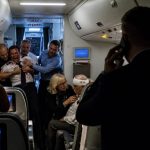
A new, jaw‑dropping first‑person account has put the spotlight back on Flight FZ1073 — and rightly so. Israeli passenger Yaniv Hayun says he and several other travelers forced their way into the cockpit after the co‑pilot allegedly stabbed the captain and tried to crash the plane. Hayun tells a stark story: he put the attacker in a chokehold, dragged him out, then briefly grabbed the controls and helped level the jet until another pilot could take over. The plane made an emergency landing in Tabuk, Saudi Arabia, the co‑pilot is in custody, and flydubai has paused flights to and from Israel while investigators dig in.
What Hayun says happened in the cockpit
Hayun’s account, shown publicly by the Prime Minister’s Office, is dramatic and terrifying on its face. He says the Boeing 737 went into a sudden plunge, losing roughly 14,000 feet in seconds, and that the captain was stabbed and collapsed. According to Hayun, the attacker was trying to destroy instruments and hold the aircraft in a nose‑down attitude. Several Israeli passengers forced the cockpit door, restrained the assailant and, for a brief window, Hayun himself pulled back on the yoke until a pilot passenger took over. Prime Minister Benjamin Netanyahu greeted the returning passengers and called their actions heroic — and he’s right to do so.
Why this should not be dismissed as a freak incident
This isn’t just a scary story to play on loop. Flight‑tracking data and emergency transponder codes show a violent altitude loss and emergency squawks that match the passengers’ accounts. flydubai confirms an “altercation” and says its crew secured the aircraft — but questions remain about how an alleged attacker got to the point of stabbing the captain in the first place. The airline’s temporary suspension of Israel services is a small step. What we need is a full review of how crew are vetted, how cockpit access is guarded in flight, and how off‑duty crew or cabin passengers are screened on sensitive routes. If the checks were tight enough, we might not have needed citizens to improvise as heroes.
Politics, security theater, and real action
Right now, top Israeli ministers are calling this an attempted terrorist attack, and some are already using the episode as a rallying cry for tougher measures. Tough words are easy. Real work is harder: demand for reciprocal security checks, clearer rules for crew traveling on or off duty, and a faster, transparent investigation into cockpit voice and flight data recorders. We should applaud the passengers who saved lives, but we must also demand policies that prevent ordinary people from having to tackle an attempted hijacker at 30,000 feet.
Wrap‑up: praise the brave, fix the system
Yaniv Hayun and the other passengers deserve every bit of praise coming their way. They likely saved nearly 180 lives. But heroism can’t be the safety plan. This incident should be a wake‑up call for airlines, aviation authorities and governments: tighten vetting and cockpit protocols now, not later. As investigators examine data and Saudi authorities question the detained co‑pilot, everyone with a stake in aviation safety should remember the simple bottom line — passengers should board planes expecting a safe flight, not to become last‑line defenders against chaos in the sky.