Staff Reports
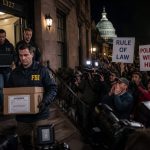
The Justice Department just raised the stakes in the fight over voter rolls in California. Acting Deputy Attorney General Trent McCotter delivered a password‑protected thumb drive to Los Angeles County election officials and gave state and local officials 48 hours to review a list the federal government says contains possible noncitizen registrants — or face emergency legal action. This is not a drill, and California’s reflexive hand‑wringing about federal overreach needs to be answered with facts, not slogans.
DOJ Delivers a List and a Deadline
The core development is simple and serious: DOJ says it provided roughly 20,000 names it believes are likely noncitizens who received vote‑by‑mail ballots and asked that any ballots tied to unverified registrants be segregated, not counted, until citizenship can be confirmed. The department also asked counties to stop mailing ballots to flagged names who had not yet received them. The letter bluntly warned that “allowing noncitizens to vote cancels citizen votes.” That demand came with a tight 48‑hour window and the threat of emergency court relief if California officials did not act.
California Pushback and Security Concerns
California Secretary of State Shirley Weber immediately called the move unlawful and argued it would sow chaos and distrust. Los Angeles County election officials say they received a thumb drive with a handwritten note giving the password and have not yet accessed it because the delivery was insecure. If a federal agency is going to ask counties to touch voter files, it should use proper, secure channels — not a sticky note password a cartoon villain might envy. Still, the state’s response has been heavy on accusation and light on cooperation. Earlier this year, DHS Secretary Markwayne Mullin provided a much larger list — about 190,000 names — that California rejected as unreliable. That mismatch in numbers raises real questions about methodology and evidence.
Legal Stakes, Timing, and Practical Problems
The timing is messy. Courts have limited aggressive list‑maintenance close to federal elections, and election officials rightly worry about privacy and chain‑of‑custody when outside data arrives with no methodology. If DOJ files for emergency relief, judges will have to balance the federal interest in stopping ineligible voting against state laws that protect voter privacy and prevent last‑minute purges. Los Angeles County officials have a practical concern too: how do you safely examine a drive and verify citizenship matches without access to underlying federal records and a secure transfer process? The next steps will likely be litigation — and litigation in the days before ballots are counted usually produces confusion, not clarity.
Why This Matters for Election Integrity
Both sides have an obligation here. The federal government should present clear evidence and use secure, verifiable methods. California should not reflexively hide behind state sovereignty when there are legitimate questions about noncitizen registration. Voters deserve both clean rolls and confidence that every legal vote counts. If the DOJ can prove problems, they should be fixed. If the DOJ can’t show reliable matches, then the last thing anyone should do is use shaky data to block citizens from casting their ballots. Law and transparency, not partisan theater, should guide the next move.