admin
admin
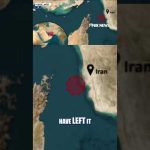
On April 22, 2026, the world woke to reports that Iran’s Revolutionary Guard opened fire on multiple commercial vessels in the Strait of Hormuz, with at least three ships reportedly struck as they attempted to transit the vital waterway. The brazen attacks came amid a dangerous standoff after the United States moved to interdict Iranian shipping, and they instantly threatened global trade and energy security. Americans who value safe seas and free commerce should recognize this for what it is: calculated aggression by a regime that answers only by force.
The strikes did not happen in a vacuum; they followed the U.S. seizure of an Iranian-flagged cargo ship near the strait on April 19, and a U.S.-led naval blockade that Iran has publicly vowed to punish. Those American actions were responses to a regime that has repeatedly flouted international norms, and Tehran’s reaction — attacking civilian shipping — proves the necessity of pressure, not concessions. Now, weak talk of diplomacy without deterrence looks dangerously naïve in the face of Iranian belligerence.
British and U.S. maritime authorities reported that container and cargo ships were among those hit, with British maritime warnings and CENTCOM monitoring movements closely as tensions spiked. This is a direct attack on neutral commerce in a chokepoint that moves a huge share of the world’s oil and goods, and it demonstrates the corrosive effect of allowing hostile actors near commercial lanes. Freedom of navigation is not a negotiable comfort; it is a national interest that demands vigilance.
Conservatives must be blunt: Tehran’s calculus depends on American timidity. When our leadership allows mixed signals — celebrating talks one day while pulling ships the next — adversaries learn to test limits with violence. The appropriate response is twofold: hold Iran accountable through targeted pressure and make clear that attacks on civilian shipping will be met with decisive military and economic consequences. No one should mistake restraint for weakness.
The economic fallout is immediate and dangerous — ship-tracking firms and analysts show dramatically reduced traffic through the strait since the conflict intensified, and insurance and freight costs are already climbing as shippers divert routes. Disrupting the Hormuz corridor strikes at global energy markets and American consumers alike, so every policy decision now must weigh the real cost of inaction at home. The administration should prioritize secure sea lanes and streamline support for allies whose navies are stretched thin.
Our sailors and merchant mariners are the unsung front line of economic security, and they deserve a government that backs them without apology. Congress should fund clear rules of engagement, modernize the fleets that protect our interests, and stop any bipartisan theater of false equivalence that treats regime aggression and legitimate defense as equivalent. The lessons are stark: strength works, appeasement invites attack, and freedom of the seas will be defended.
Patriots must demand clarity and courage from their leaders — support for the Navy, tougher sanctions, and an unambiguous pledge to protect commercial shipping and energy flows. The Strait of Hormuz is not just foreign water; it is a lifeline for the global economy and for American families paying at the pump. If America stands firm now, we save lives, commerce, and credibility; if we hesitate, the cost will be paid by the public and history will not be kind.