Staff Reports
In a world filled with complexities and challenges, the stakes in diplomacy have reached a new high as Vice President JD Vance embarks on a significant journey to Islamabad, Pakistan. His mission? To engage in high-stakes talks with Iran in hopes of reaching an agreement that could potentially bring an end to ongoing conflicts. With the tensions soaring, the eyes of the nation—and indeed the world—are closely watching this pivotal moment.
Before taking off, Vice President Vance expressed a cautiously optimistic outlook about the negotiations. He emphasized the importance of honesty in the discussions, making it clear that the United States is ready to negotiate in good faith. However, there’s a firm warning for Iran: any attempts to deceive the negotiation team will be met with a swift response. This is not merely a game of words; both sides are well aware that the fate of the Strait of Hormuz—a crucial waterway for global oil transport—hangs in the balance. Negotiating the terms surrounding this strategic passage will undoubtedly be one of the toughest challenges on the table.
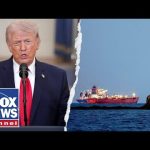
Meanwhile, President Trump has taken a strong stance by rejecting Iran’s initial proposal and insisting on a tighter agreement. With tensions surrounding the Strait of Hormuz intensifying, Iran has started to leverage its control over the waterway to assert its power. As reports indicate that Iran has begun to charge fees for the passage of vessels, the urgency for a resolution becomes increasingly evident. The United States aims to uphold the principle that these waters must remain open and free, without Iranian interference.
Another dimension complicating these talks is the ongoing conflict in Lebanon, specifically concerning Hezbollah’s actions against Israel. The Iranian regime has made it clear that any discussions excluding these tactics are unacceptable, creating additional hurdles for successful negotiations. With these multifaceted issues swirling in the background, both the U.S. and Iran must navigate them carefully to make any progress.
As the world watches these developments unfold, there are many hopes and fears about the potential outcomes of this diplomatic trip. If the talks in Pakistan and upcoming discussions in Washington regarding Lebanon and Hezbollah yield positive results, it could signify a significant shift in Middle Eastern dynamics, steering the region toward normalizing relations. In contrast, failure to come to an agreement could result in heightened conflicts and military actions, a prospect that only time will tell.
In essence, the diplomatic chess game continues amid the fog of uncertainty. The stakes are undeniably high, and while optimism reigns for some, a cloud of caution lingers over the negotiations. As Vice President Vance dives into these crucial talks, the hope remains that a peaceful resolution can be forged, paving the way for a brighter future—not just for the United States, but for the entire region.