admin
admin
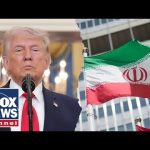
Iran’s Islamic Revolutionary Guard Corps issued a blunt warning this week that “no port” in the Gulf or the Sea of Oman will be safe if Tehran’s own ports are threatened, a chilling escalation that shows the regime’s willingness to drag the whole region — and the world’s energy markets — into chaos. Americans should listen closely: this is not bluster from a paper tiger, but a calculated threat from an ideological regime that has long used violence and intimidation as statecraft. The message from Tehran is meant to intimidate free nations and punish innocent civilians for resisting its ambitions.
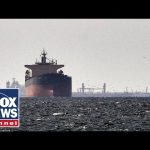
President Trump confirmed that U.S. forces began a naval blockade of Iranian ports on Monday, a hardline pressure tactic aimed at forcing Iran to reopen the Strait of Hormuz and stop extortion of global commerce. Whether you support the president or not, this kind of decisive action is what a world power must take when critical sea lanes are threatened and diplomatic warnings fail. Let the naysayers wring their hands while our Navy enforces freedom of navigation for the rest of the world.
Markets reacted the way every sensible patriot feared: oil futures shot up, breaching the $100-a-barrel threshold as traders priced in the real risk of supply disruptions, and American motorists are already feeling the sting at the pump. Families who play by the rules and work hard to pay their bills are now facing higher costs for everything that rides on energy — a painful reminder of how quickly foreign instability translates to domestic strain. This is exactly why conservative calls for energy independence and a robust supply chain are not theoretical talking points but practical necessities.
Make no mistake: strength deters. The alternative — the appeasement and moral relativism peddled by the Washington foreign-policy elite and their media allies — invites worse threats and emboldens tyrants. Democrats and left-wing pundits who demand hesitation or lecture America from the sidelines should explain how their timidity would have protected our allies, secured commerce, or preserved the peace. Patriots know that when the security of strategic chokepoints is at stake, hesitation costs lives and liberties.
There is a legitimate constitutional debate about congressional authorization for sweeping military maneuvers, and critics from across the spectrum have raised alarms about presidents taking the nation to the brink without a new AUMF. That debate is important and should be had, but it cannot be an excuse for hand-wringing while adversaries test American resolve and threaten global trade. If Congress wants to assert itself, it should do so by backing a clear, muscular policy that protects American interests rather than indulging in partisan theater.
Now is the time to double down on conservative energy policy: ramp up domestic production, open responsible drilling where permitted, and end the bureaucratic choke holds that keep American energy on the sidelines. We can — and must — use our own abundant resources to blunt the leverage of hostile regimes while investing in infrastructure that shields Americans from foreign price shocks. Less dependence on unstable oil-producing theocracies is not radical; it’s commonsense patriotism.
Support our sailors and airmen who are enforcing the blockade and keeping dangerous actors contained; they deserve every ounce of our backing and gratitude. At home, voters should pressure Congress to act responsibly: provide clear authorization where needed, fund the mission properly, and pass pro-energy reforms that protect American families from foreign volatility. This moment tests our resolve, and true patriots will stand firm for security, sovereignty, and the economic well-being of hardworking Americans.