Staff Reports
Tensions in the Middle East have escalated dramatically as President Trump’s naval blockade of the Strait of Hormuz continues to unfold. This blockade, aimed at Iran’s ports, is a bold move that comes amid ongoing negotiations regarding Iran’s nuclear program. Many eyes are now fixed on the prospect of a second round of peace talks, which could take place later this week. However, one major issue remains locked in a stalemate: enriched uranium. The landscape of Middle Eastern diplomacy is rife with complexity, and it seems the ball is very much in Iran’s court.
Recent discussions have highlighted the critical nature of these negotiations, with Vice President JD Vance emphasizing that Iran must seek approval from its leadership to move forward. This brings to light the internal disorganization within the Iranian regime, which has been further exacerbated by ongoing military operations targeting their capabilities. The United States is clear about its red lines when it comes to nuclear weapons, and they are determined to prevent Iran from enriching uranium or maintaining its current supplies. With U.S. vessels assisting in the blockade, the message is loud and clear: the stakes are high, and Iran needs to comply.
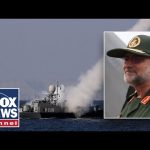
As the naval blockade continues, it appears that some ships have already altered their routes to avoid confrontation. President Trump has made explosive claims about Iran’s naval capabilities, boasting of significant victories that have seemingly left their navy in ruins. As he put it, if Iranian vessels approach the blockade, they might face dire consequences. With American naval power on the scene, the implications for Iran could be severe, should they choose to push the envelope.
Meanwhile, there is also a glimmer of hope for regional peace. Israel and Lebanon are entering a dialogue mediated by the United States, focusing on disarming Hezbollah and fostering peaceful relations. This development appears to indicate a recognition of the changing dynamics in the region, where Iran’s influence is waning due to effective military actions against them. Even the Lebanese government, feeling the pressure from a weakened Hezbollah, has reached out for talks, suggesting a shift in priorities for the region.
However, amidst this hopeful dialogue, there is an ongoing military buildup by the U.S. in the region. More military resources are being deployed daily, indicating that the U.S. remains vigilant. If Iran fails to negotiate in good faith regarding their nuclear program, the choice remains stark: they can either give up their ambitions or risk a return to conflict. With the Iranian regime’s economy already in shambles and internal discontent growing, the pressure is on them to make a decision. The situation is delicate, and as the negotiations approach, the world watches closely, eager to see if diplomacy will prevail or if further conflict looms ahead.