Staff Reports
Iran says it’s looking to carve out a “restricted zone” around the Strait of Hormuz while experts warn the regime is teetering under economic strain. That’s the kind of posture you’d expect from a government trying to squeeze levers of influence as its cash dries up. The question for Washington is simple: squeeze back smartly, or watch chaos ripple into our wallets and our Navy’s watch schedule.
Why Tehran’s “restricted zone” matters — to sailors and shoppers
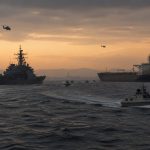
When Tehran talks about a restricted zone near the Strait of Hormuz, it isn’t just theatre. It’s a threat to a chokepoint through which a significant share of the world’s oil and maritime trade flows. Even the hint of interference there spikes insurance premiums, reroutes tankers around Africa, and — surprise — sends prices at the pump up for ordinary Americans.
For families who already budget tightly, that’s real pain. For the merchant mariners who sail those routes, it’s an added danger. For the U.S. Navy, it’s another region where constant presence and readiness are required, at a time when Washington is juggling commitments across the globe.
Is Iran really headed for financial collapse? Prepare for the messy middle
Experts like Victoria Coates at the Heritage Foundation are blunt: Iran is under immense economic pressure from sanctions, corruption, and mismanagement, and Tehran’s revenue streams are shrinking. That doesn’t necessarily mean an orderly collapse — it means brittle stability, with shortages, inflation, and a regime that might lash out to rally domestic support or protect its surviving income sources.
Those aren’t abstract problems. When an economy tightens, the regime still funnels money to militias, missile programs, and proxy networks while citizens deal with medicine shortages and rising food costs. That imbalance makes the situation volatile — and dangerous for our interests in the region.
What Washington should do next
There’s a conservative toolbox for this: ratchet up meaningful economic pressure while bolstering deterrence at sea. Tighten export controls, choke off finance channels that let oil buyers evade sanctions, and hold third-country middlemen accountable with secondary measures. At the same time, send a clear defensive posture to protect shipping lanes so insurance rates don’t explode and American households don’t suffer for lack of a plan.
There’s also a political angle. U.S. envoys meeting with President Zelenskyy show America is stretched — standing with Ukraine while watching Tehran play brinkmanship. That’s fine. But standing with allies and squeezing hostile regimes aren’t mutually exclusive. You can do both if you have a strategy and the discipline to stick with it.
The hard truth is this: markets and regimes respond to consistent pressure more than dramatic headlines. If Washington wavers, ordinary Americans will pay — in higher fuel bills, higher prices at the store, and in longer watches for our sailors. So which will it be: steady, smart pressure that reduces Tehran’s options, or a series of reactive moves that leave us paying the bill?